
What is a Custom Drone Show?
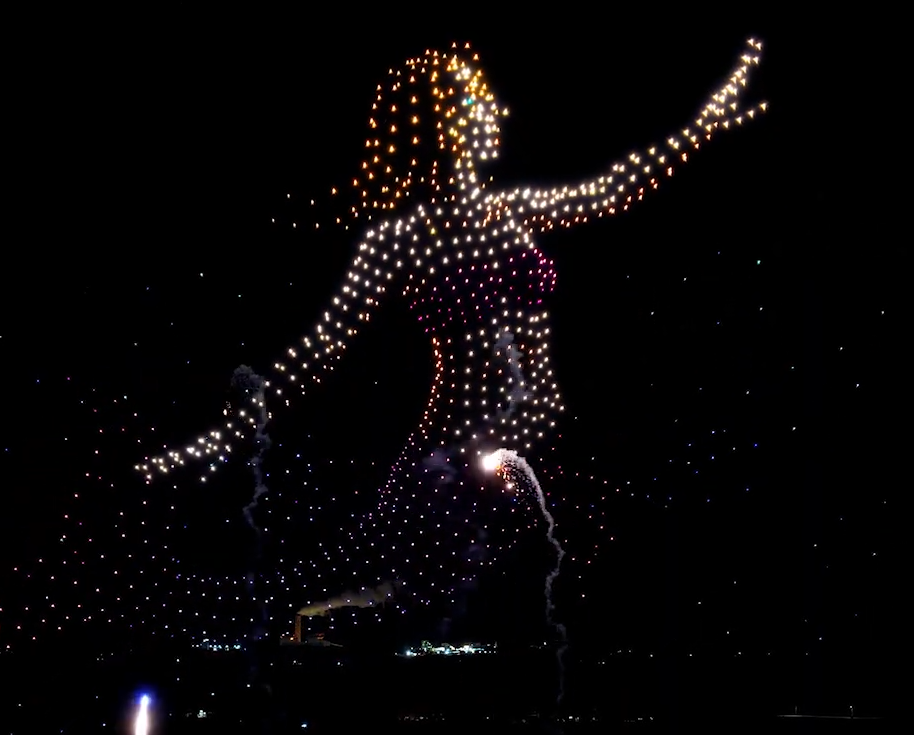
What are Custom Drone Shows?
Drone light shows have quickly become one of the most compelling ways to turn an idea into a public spectacle, but most people still picture them as a fixed product with a few preset animations and a limited range of options. In reality, the best drone light shows are built around a message, a place, and an audience, which is why custom execution matters far more than a standard catalog package.
Whether you are planning a civic celebration, a sports event, a brand launch, or a community festival, understanding how a drone show works and what makes one successful helps you make better decisions from the start. The core truth is simple: a great drone show is not just about putting lights in the sky; it is about translating a specific vision into a safe, memorable, fully designed experience.
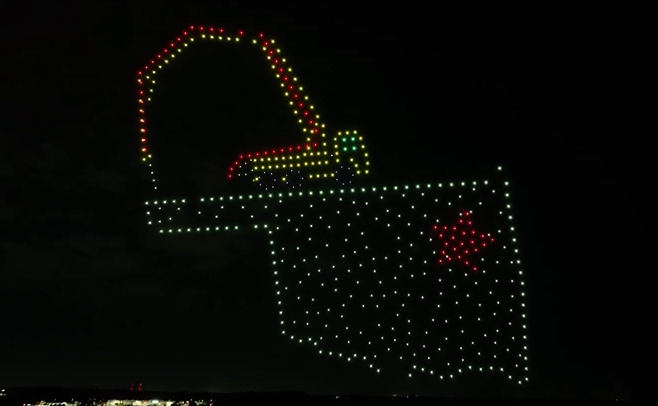
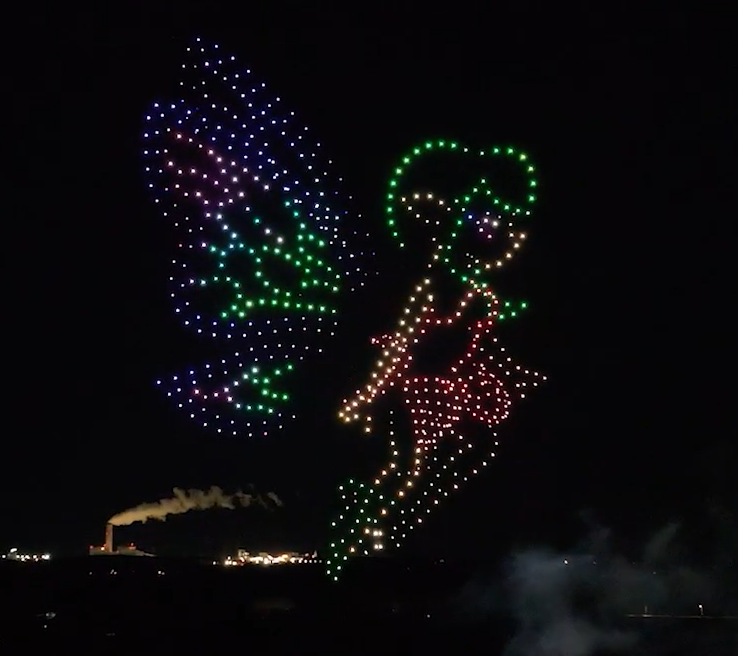
Why custom drone shows matter more than people expect
A lot of event organizers begin with the same assumption: the drones are the product, and the show is mostly a matter of selecting effects. That assumption usually changes once they see what is possible with a truly custom production.
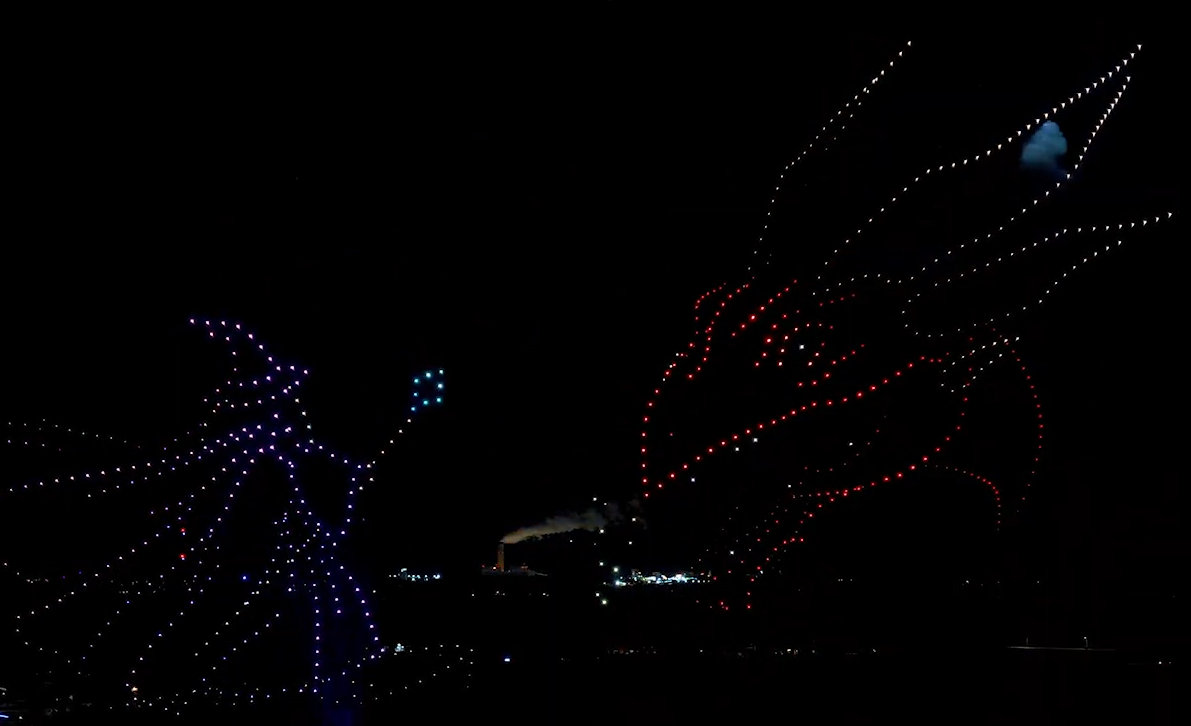
As Nathan Godfrey, Northern Lights Drone Show’s Account Executive, puts it, “Clients often don't believe me when I say we do a fully custom show, because they’re used to picking preset options from a catalog when working with other providers. I have to prove to them that if they come to us with a really weird, specific, or wacky request, we can make it happen and put it up in the air for them.” What were one of these “wacky requests”? A Bastille Day drone show celebration wherein drones formed a guillotine that chopped the head off of Marie Antoinette.
It’s this mindset that gets to the heart of what separates a meaningful drone light show from a generic one. The technology is impressive on its own, but the real value comes from what it allows you to say.
For a city, that may mean celebrating local identity with recognizable landmarks and community symbols. For a company, it may mean launching a campaign with visuals that reinforce a brand story instead of just displaying a logo once. For a team or venue, it may mean creating a sequence that builds anticipation, reveals sponsors cleanly, and ends with a moment the crowd will actually remember. Don’t just take our word for it. Check out our testimonials page to see what real customers have said about working with Northern Lights Drone Show.
This is also where the conversation naturally expands beyond visuals alone. People often compare a drone show to a fireworks show because both are large-scale entertainment formats, but they operate very differently. Fireworks are built around sound, explosive force, and broad visual impact. Drone shows are built around controlled movement, image formation, narrative sequencing, and precision. If your goal is to tell a story, display text or logos clearly, or design a show around a specific theme, drone light shows offer a level of intentionality that fireworks simply cannot match.
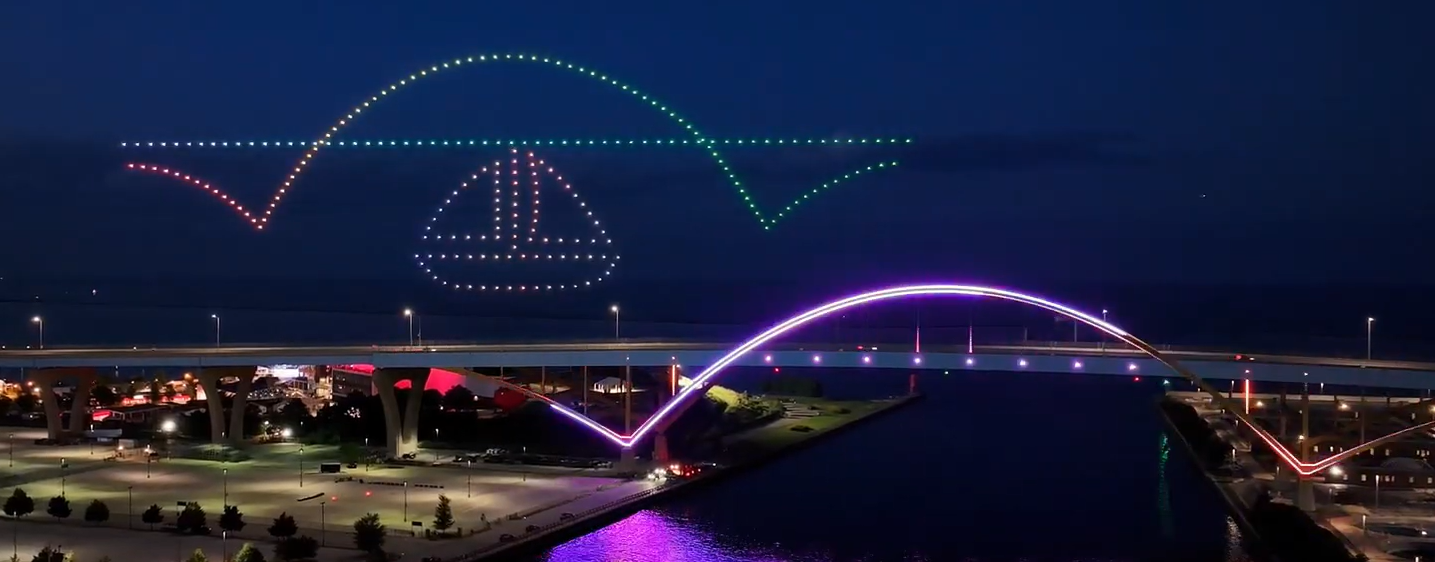
What does a custom drone show look like in the real world
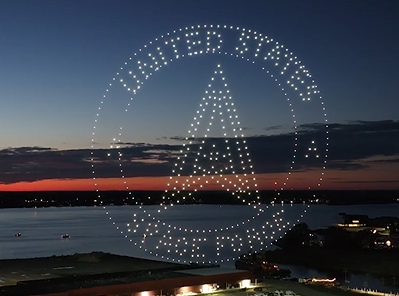
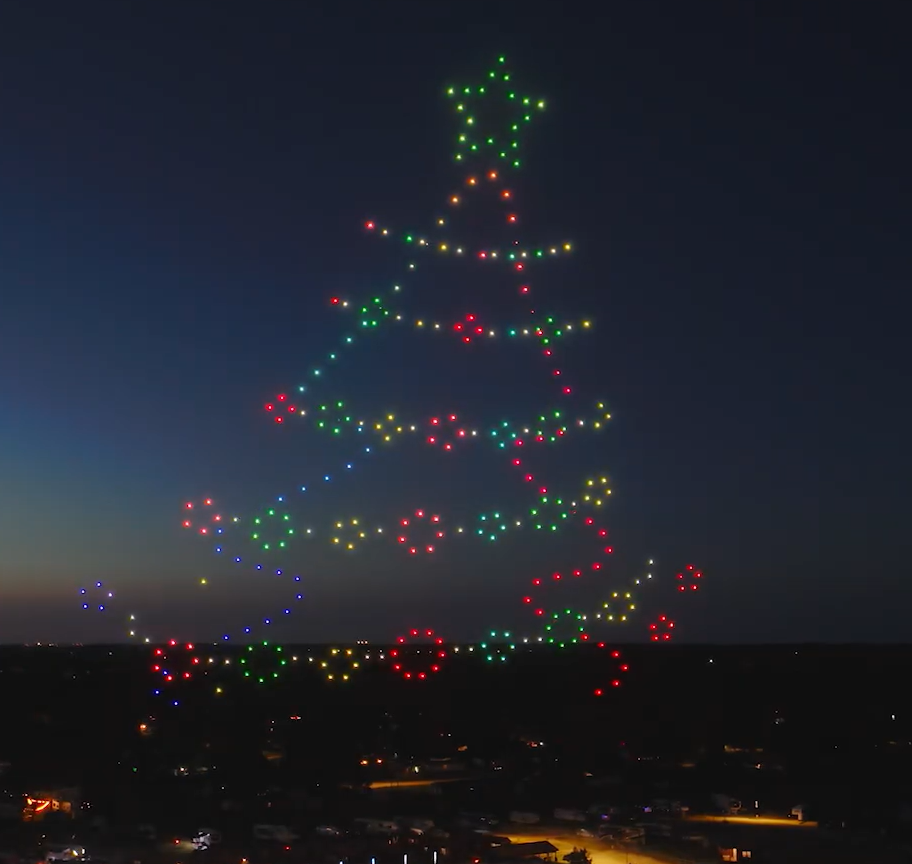
Consider a city festival that wants to replace a familiar ending with something new. A fireworks finale may be expected, but expectation is not the same as relevance. If the organizers want the closing moment to reflect the identity of the location itself, a custom drone show can move from a town crest to a regional symbol, then into imagery tied to local industry, sports pride, or a seasonal theme, all while pacing the experience around the event’s actual audience.
That same principle applies in major metro markets where expectations are high. A drone show that an audience watches above a waterfront event, stadium-adjacent activation, or corporate gathering has to do more than look modern. It has to read clearly at scale, fit the skyline context, and earn attention in a city where people have seen big productions before. The show works when it is designed around the location, not merely performed in it. You can see for yourself how the Northern Lights Drone Show team has designed around locations and events here in our Portfolio!
The same is true in regional markets where local relevance matters even more. A drone show that organizers might commission for a county fair, municipal celebration, or tourism event should not feel like a copy of a coastal brand launch. It should reflect the community that gathered to watch it. Customization is not a luxury added at the end; it is what makes the show credible in the first place.
How much does a custom drone show cost?
Pricing is typically shaped by factors such as:
- Number of drones in the show
- Length of the performance
- Complexity of the animation and storytelling
- Travel and site logistics
- Permitting and operational requirements
- Event date, location, and production timeline
A simple branded sequence and a fully developed multi-scene narrative are not the same product, even if both use drones. The more precisely the show is tailored to your event, the more the planning, design, and production process matter. That is why experienced providers focus less on quoting a generic number upfront and more on understanding the event goals first.
For buyers, this is usually the right way to approach it. The cheapest path is not always the one that creates value, especially if the event depends on audience impact, public turnout, sponsor visibility, or media attention. A custom drone show should be evaluated not only by runtime or drone count, but by whether the final experience actually delivers the message it was built to carry.
Choosing a drone show partner that can deliver the idea, not just the equipment
If you are evaluating providers, the most important distinction is not who can launch drones. It is who can take a half-formed idea, shape it into a coherent concept, and execute it safely in the field. You can learn about our safety policies and how seriously we take our role in our Safety section.
That means looking for a team that can guide the design conversation, pressure-test the visuals, account for the realities of the site, and explain the process in plain terms. It also means choosing a partner comfortable with unusual requests rather than one that tries to fit every event into the same template. Nathan’s perspective matters here because it reflects a production model built around possibility, not limitation: if the request is specific, unconventional, or highly personal to the client, the job is to find a way to realize it.
That approach is especially important for first-time buyers. Many people begin their search simply wanting to learn how a drone show works or whether drone show or fireworks are the better fit for their event. What they really need is a team that can connect those questions to a final outcome: a show designed around audience, message, and place.
Start with the idea you actually want to see in the sky
The best drone light shows begin with a clear purpose and a partner capable of turning that purpose into something visible, precise, and unforgettable. If you are planning an event and want more than a stock sequence, the next step is to talk through your theme, audience, location, and goals with a team that builds fully custom productions from the ground up.
If you have a concept, even one that feels oddly specific or hard to explain, start the conversation. That’s where the best custom drone shows begin.
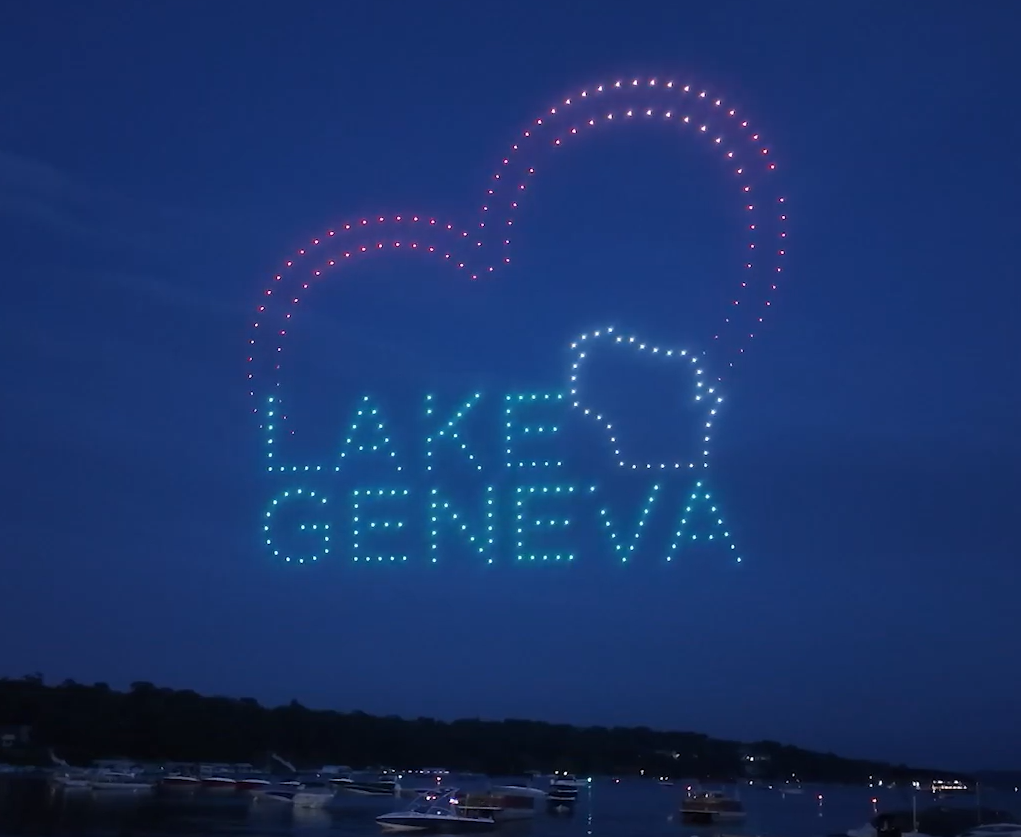
How a drone show works: from Concept to Sky
To understand the value of customization, it helps to understand how a drone show works in practice. The public sees the final few minutes in the sky, but the process begins much earlier with strategy and design.
The first step is defining what the show needs to communicate. That includes the event setting, audience size, site constraints, timing, and the emotional tone the client wants to create. Mags Marcinkiewicz, NLDS’ Lead Designer, explains it clearly: “We start with an initial design call to get the background theme and the core messages that the client wants to portray. We then turn those ideas into a visual storyboard that takes the client through the show from beginning to end, and once they're happy, we use software to turn those 2D depictions into images in the sky.”
That storyboard phase is where a custom show can either become sharp and purposeful or stay vague. A strong storyboard does more than list formations. It manages pacing, transitions, and message hierarchy. It decides what the audience should feel first, what they should understand next, and what image should stay with them after the final frame.
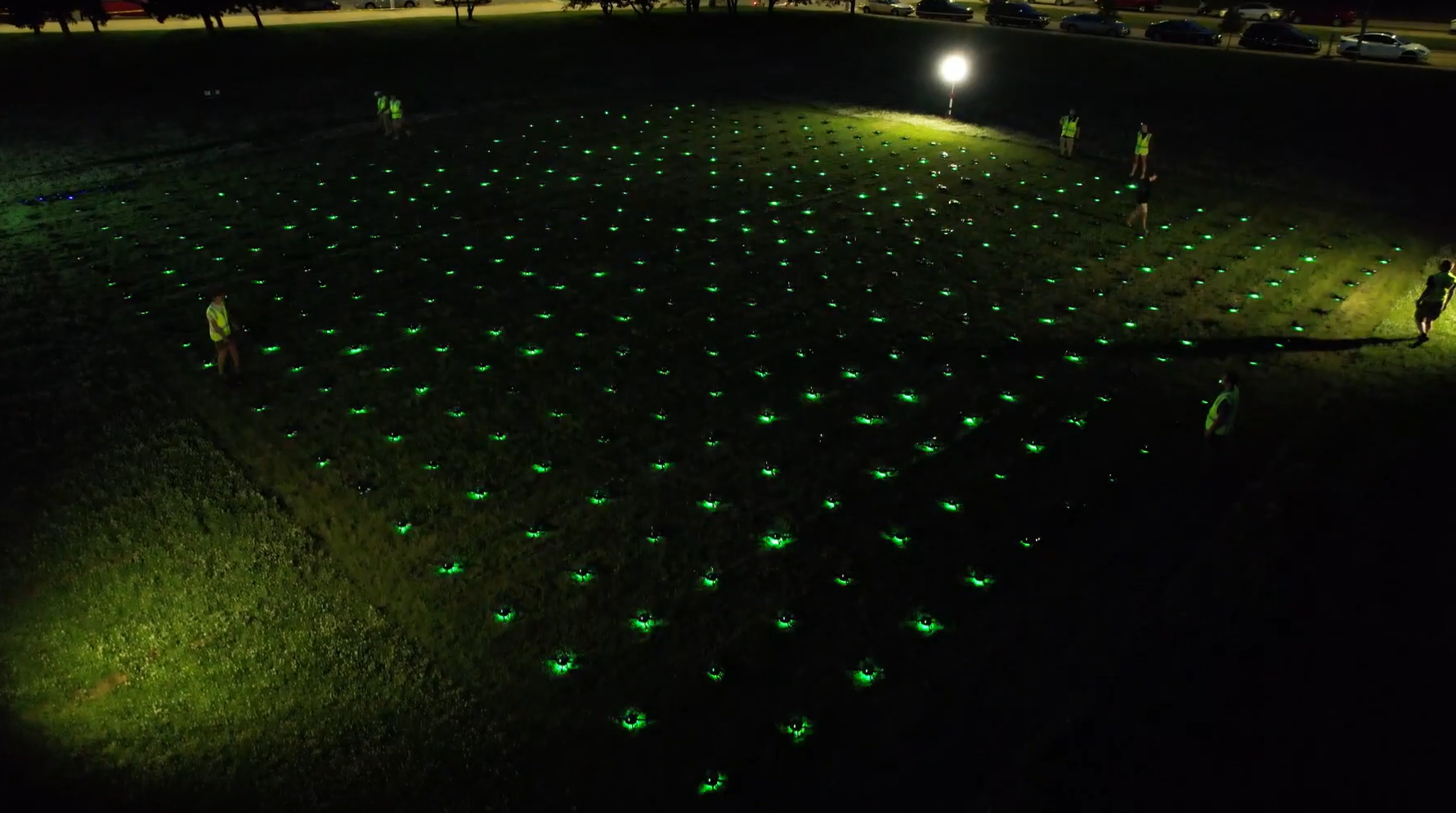
From there, the technical production begins. Flight paths are programmed, spacing is calculated, timing is synchronized, and safety requirements are integrated into every step. Mikey Van Dehy, NLDS’ FAA-approved Drone Pilot, describes the field setup this way: “We drive out to the site, set up the base station—which consists of a switch, a Raspberry Pi, two different radios, two panels, and a GPS—and lay out the grid. Once the base station allows the server to talk to the drones, we upload the entire show to all of them.”
That level of preparation is why a polished drone show feels effortless from the ground. The choreography, communication systems, launch layout, and site planning all have to work together. The audience sees floating images and smooth transitions, but behind that moment is a production system pain-stakingly designed for accuracy and control. Learn more about the team and how our process works here!
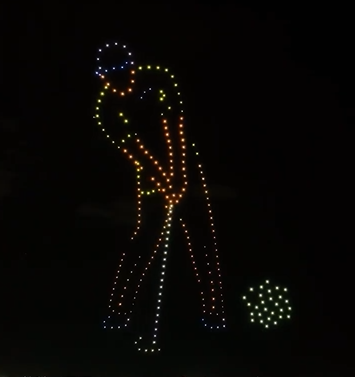
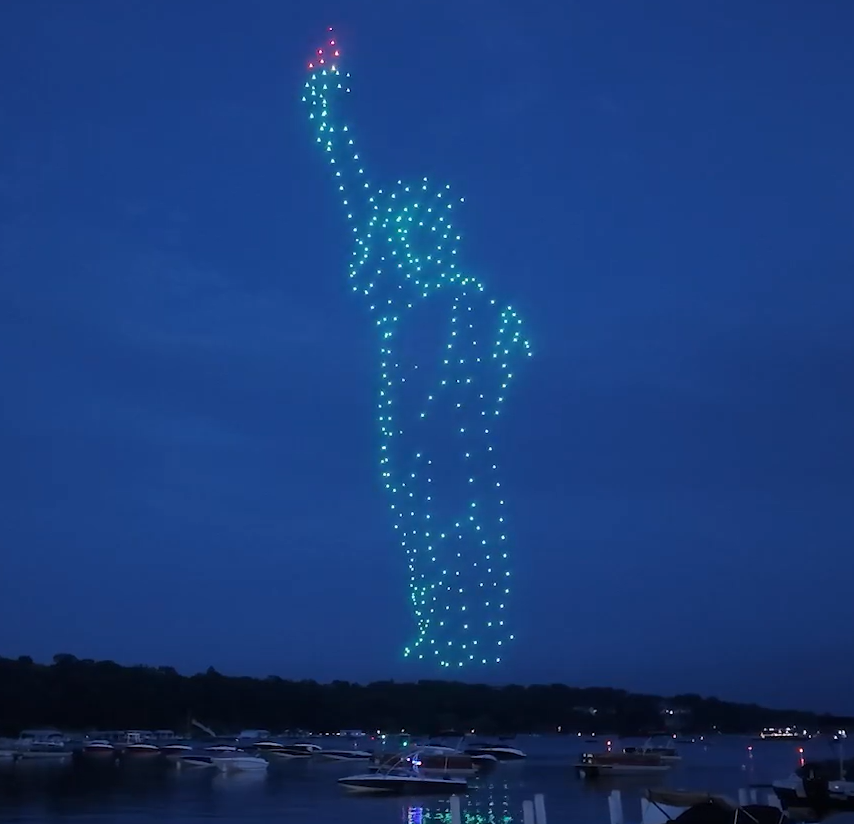
The challenge event organizers face and how they solve it
Most buyers are not trying to understand drone technology for its own sake. They are trying to solve a practical event problem: “how do I create something distinctive enough to justify the investment and memorable enough to make an impact?”
That is where many providers fall short. If the show is mostly assembled from reused visuals or a limited menu of options, the event may still be visually interesting, but it cannot feel truly connected to the occasion. Audiences can tell when a spectacle has been designed for them and when it has simply been dropped into their event.
A custom drone show solves that by starting with intent rather than inventory. Instead of asking which stock sequences are available, the better question is what the event needs the sky to say. That could mean honoring a town’s history, unveiling a one-night-only sports moment, celebrating a company milestone, or creating a regional attraction for a summer festival. The point is not just to fill time after dark. The point is to create a visual centerpiece that belongs to that event and nowhere else.
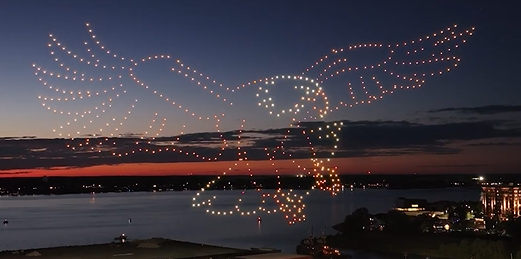
That is one reason organizations across the country continue to choose us of for their custom drone shows for public-facing experiences. Northern Lights Drone Show has worked with everyone from independent groups to football clubs, to local governments, to corporations all across the United States. That range matters because it shows the format is flexible enough to work in very different environments while still being tailored to each one.
Frequently Asked Questions
Have another question that you don’t see here? Check out our full FAQ page here.
-
A custom drone light show is a fully customizable, choreographed aerial display performed by multiple illuminated drones flying in precise formations. The drones are programmed to create shapes, symbols, animations, and transitions in the sky, often synchronized to music or a larger event program of your choosing.
-
Each drone follows a programmed flight path as part of a larger coordinated system. The show is designed in advance, reviewed through a storyboard, approved through flight planning and regulatory processes, and then executed on site by trained crews and pilots. What the audience sees as a fluid performance depends on detailed preparation, safe operations, and exact timing.
-
Preparation time depends on the complexity of the show, the venue, and airspace requirements. The creative side includes concept development, visual design, and storyboard approval, while the operational side includes FAA coordination, logistics, testing, and setup. For events with multiple performances, turnaround between shows can also be a factor, though efficient processes can reduce that time significantly.
-
Turnaround depends on crew workflow and the scale of the production. As Nathan Godfrey explains, much of the time between shows comes from physically swapping batteries across large numbers of drones, not just charging. With the right process, turnaround can often be reduced from roughly an hour to about 20–30 minutes. Drone launches can be staggered, however, to hide the battery-swapping process and keep your audience awed all the while!
-
Yes. Drone light shows can be designed to feature logos, product imagery, sponsor integrations, and branded sequences as part of the performance. Northern Lights Drone Show offers flexible branding whether the show includes a single logo or multiple sponsors integrated into the visual narrative.
-
They are highly specialized productions that require coordination across design, flight operations, safety planning, and regulatory compliance. Large-scale shows demand precision because each drone must be prepared, positioned, and managed as part of the wider performance. That complexity is exactly why it is so important that experienced teams like the one at Northern Lights Drone Show uses clear workflows strong pre-production planning in each of our projects.
-
Professional drone show providers should manage this process directly. Our head pilot coordinates the flight clearances required by the FAA and handles flight restrictions and complex airspace approvals, helping clients move forward without needing to manage those technical details themselves.
-
A successful drone light show combines a clear idea with strong execution. The concept needs to be designed to translate well into aerial visuals, the storyboard must guide the pacing, and the operational team must deliver the show safely and reliably. When design and logistics work together, the performance feels effortless to the audience even though it is built on careful planning.
If you're exploring drone light shows for an upcoming event or want to understand what’s possible for your audience, brand, or venue, the next step is a conversation about your vision, timeline, and goals. Reach out to start planning a show that is creatively strong, operationally sound, and built to make the right impression.