
Drone Light Shows
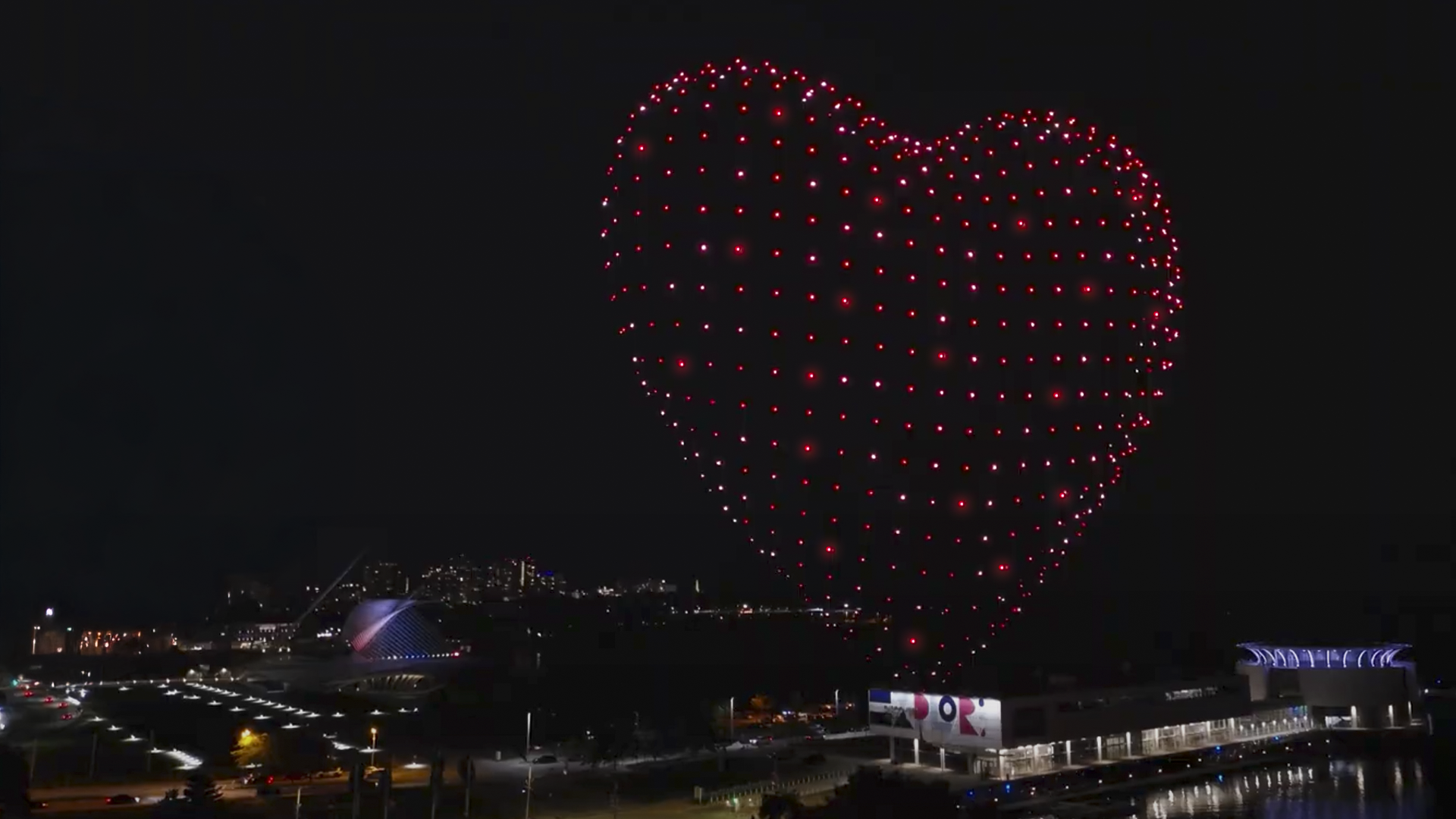
Drone light shows are coordinated aerial performances that use fleets of illuminated drones to create moving images, logos, animations, and storytelling in the sky. For event organizers, brands, cities, and curious audiences alike, they represent a modern alternative to traditional spectacle. They combine visual precision, creative flexibility, and operational planning in a way few live experiences can match. The real value of drone light shows is not just that they look impressive, but that they can be designed around a specific message, audience, and event goal. When the process is handled well, the result is a show that feels intentional from first concept to final formation. The purpose of this article is to give you a general overview of the benefit of a drone light show and a solid informational foundation for the dynamics that go into producing one.
Why Drone Light Shows Are Gaining Popularity
A strong drone show begins long before the first drone lifts off. The creative process has to translate an idea into something that reads clearly in the sky, works within flight constraints, and still delivers emotional impact. That is why the design phase matters so much. Our design team meets with clients to build the show and begin shaping the vision from the start, then develops a storyboard that maps the performance moment by moment. That storyboard is shared for feedback, giving clients real input on imagery, pacing, and how the show unfolds.
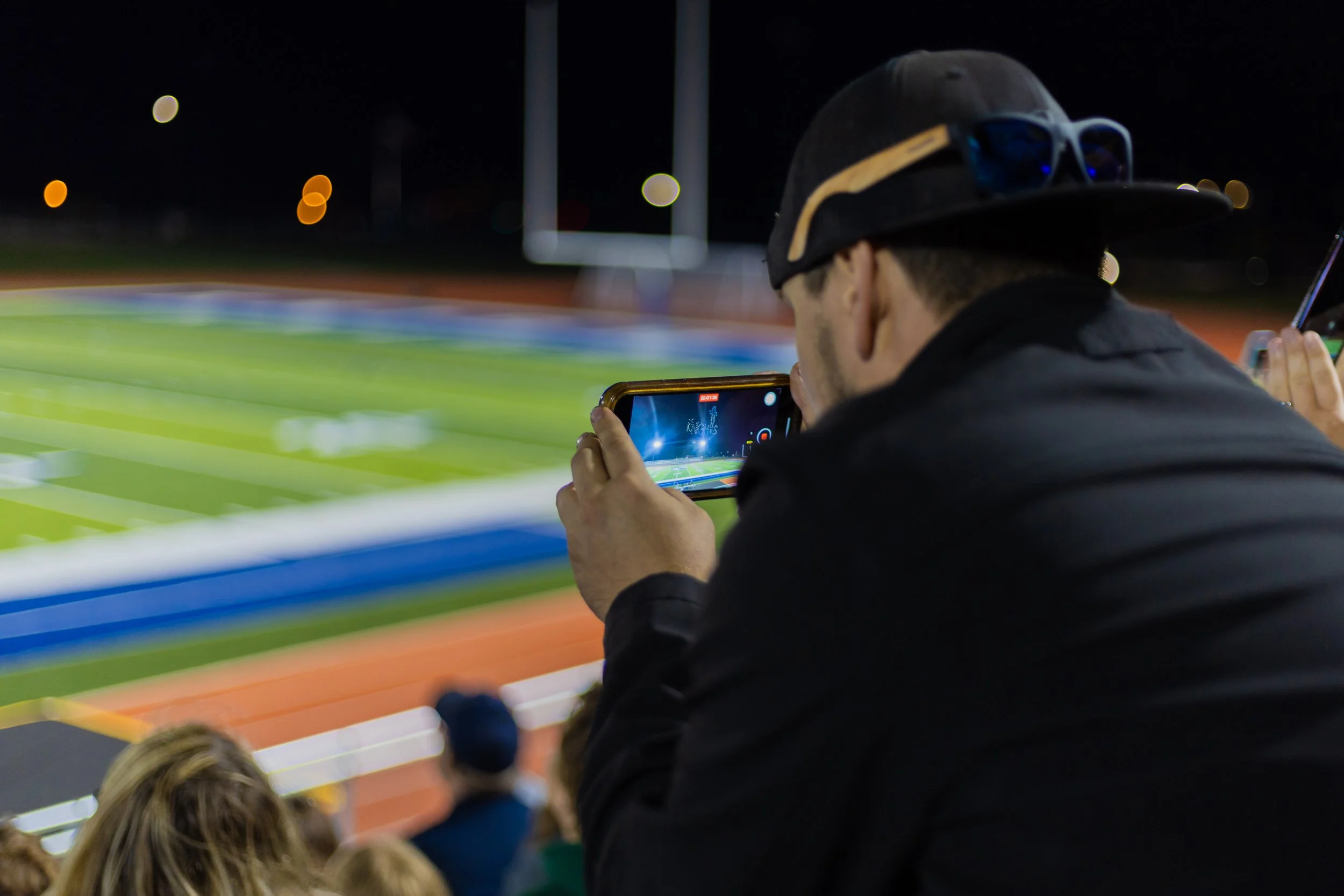

Drone Shows Tell A Story
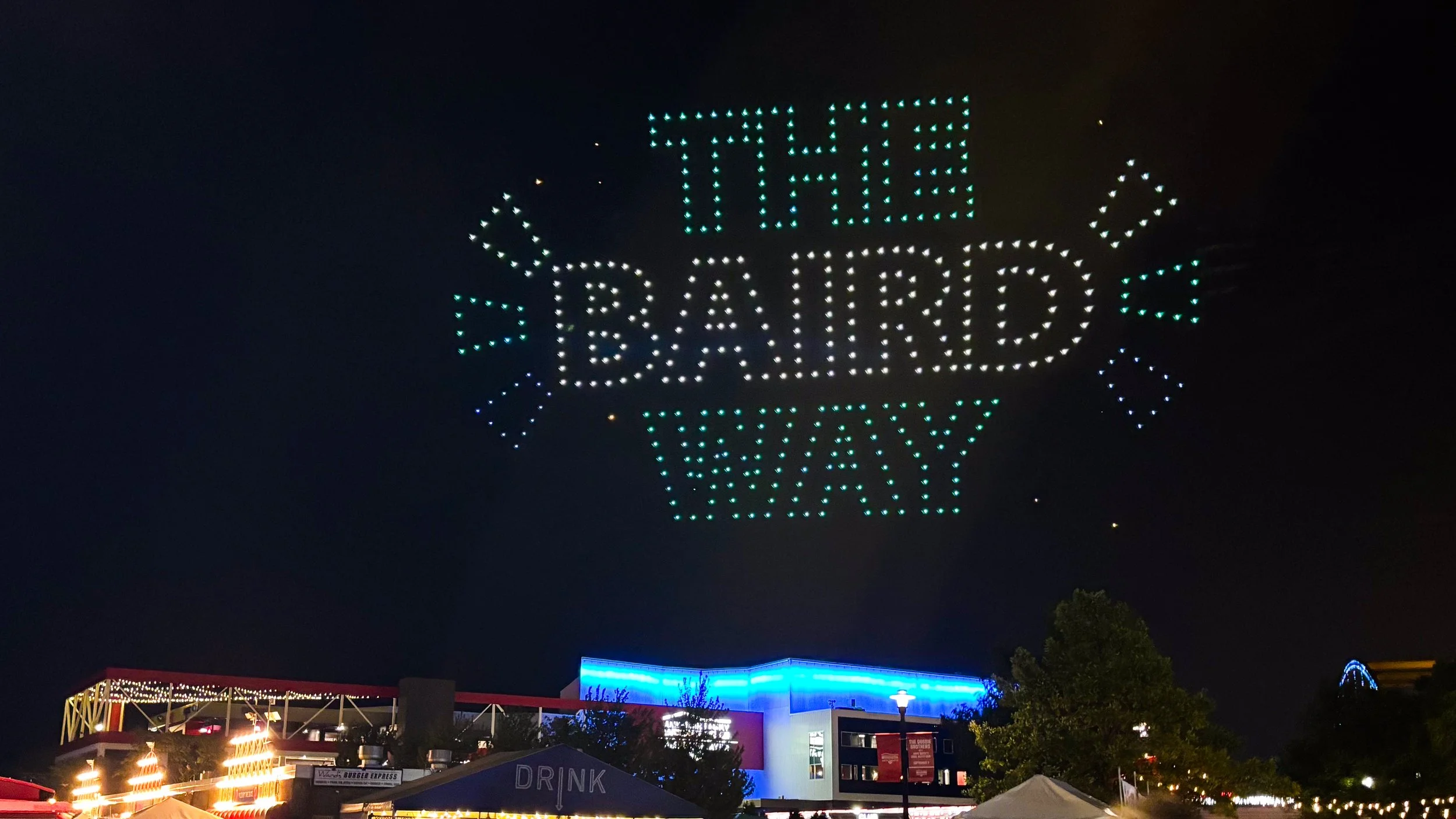
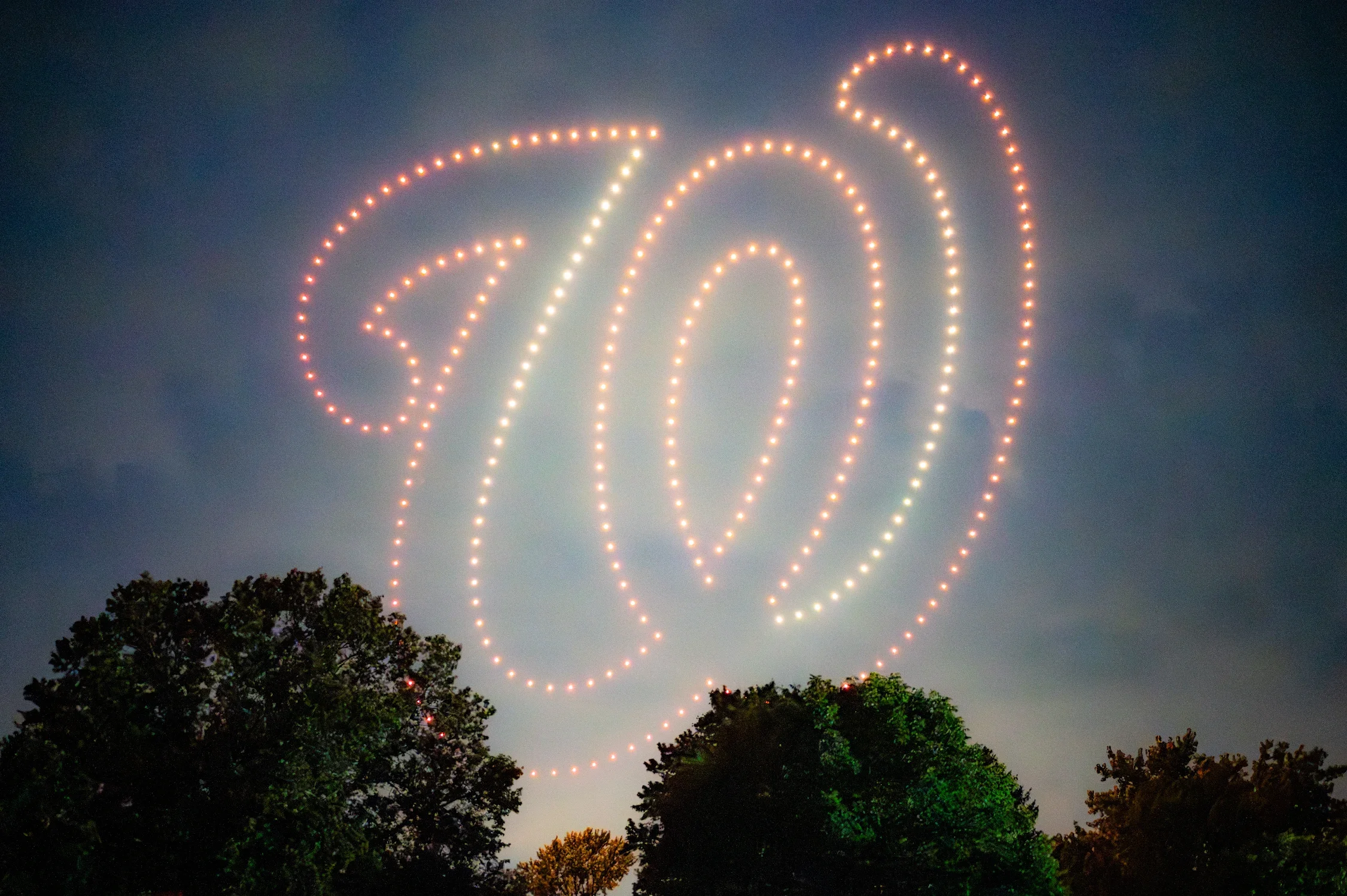
This approach matters because aerial storytelling is different from designing for a screen or a stage. Shapes need to be legible at distance. Transitions need to feel smooth from the audience perspective. Brand elements have to be recognizable without slowing down the flow of the performance. As Nathan Godfrey, our lead account executive and in-house Drone Show expert, explains, “Drone light shows offer flexible branding; whether it’s a single logo or multiple sponsors integrated into the performance.” That flexibility is one of the reasons drone light shows have become so valuable for branded events, sports presentations, festivals, holiday celebrations, and large public gatherings.
The Creative Process Behind a Drone Show
What makes the medium especially effective is its range. A drone show can deliver a clean logo reveal, then shift into animated sequences, thematic scenes, or coordinated visual moments tied to music and narration. It can support a civic celebration just as easily as a product launch because the show is built around the event rather than forced into a one-size-fits-all template. The best performances feel custom because they are custom; designed with the audience, venue, timing, and message in mind.
A Drone Show Vendor Needs Operational Precision
That creative freedom only works when the operational side is equally disciplined. Large-scale drone shows are not casual productions. They depend on exact timing, careful setup, compliance, and extensive coordination between creative teams, pilots, and event stakeholders. Nathan puts it plainly: “Large-scale drone shows are operationally precise; every drone requires coordination, preparation, and careful handling between flights.” That precision is part of what audiences are responding to when they watch a show unfold seamlessly overhead.
Turnaround Time and Multi-Show Logistics
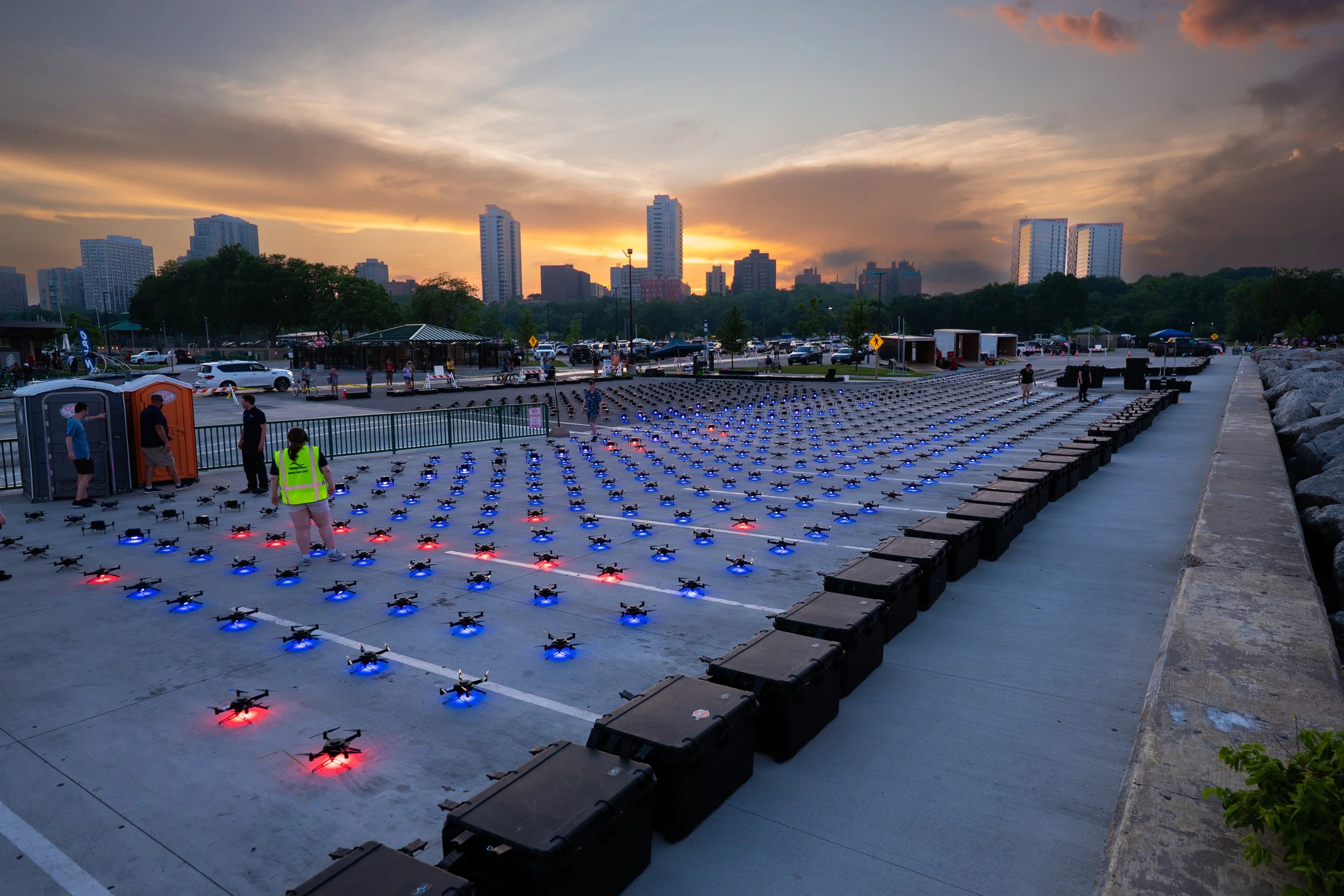
Between the visible spectacle and the invisible planning, turnaround time is one area people often misunderstand. Many assume delays between shows are mostly about charging batteries, but the reality is more hands-on. Nathan notes, “A lot of the time between shows isn’t charging—it’s the physical work of swapping batteries across hundreds of drones.” That practical detail helps explain why experienced production teams matter. The process is not just technical; it is logistical, physical, and highly sequenced.
With the right systems in place, however, operations become far more efficient. Nathan’s view is shaped by firsthand production experience: “With the right process, turnaround time between drone shows can be reduced from about an hour to as little as 20–30 minutes.” That kind of improvement is significant for multi-show nights, touring events, and productions where timing affects the full event schedule. Efficiency does not come from cutting corners. It comes from repeatable processes, trained crews, and planning that accounts for what actually happens on site.
FAA Regulations and Airspace Coordination
FAA coordination is another essential part of that process. Airspace rules, flight restrictions, and venue-specific requirements all influence how a show is approved and executed. Our head pilot coordinates the flight clearances required by the FAA and manages the complexities of restricted or difficult airspace, removing a major burden from event organizers. For clients, that means the path from concept to launch is handled by professionals who understand both the creative and regulatory sides of the work.
This balance between art and operations is what gives drone light shows their staying power. They are visually striking, but they are also controlled, repeatable, and adaptable. A well-produced show does more than entertain for a few minutes; it can reinforce a brand, mark a milestone, unify a crowd, or create a signature moment people remember after the event ends. Because every element is programmed, the performance can be shaped with a level of intentionality that is difficult to achieve in many other large-format live displays.
Where Drone Light Shows Deliver Value
For a general audience, that is often the most helpful way to understand drone light shows: not as a novelty, but as a medium. Like film, stage lighting, or projection, they work best when the technology serves the message. The drones are the delivery system, but the impact comes from design choices, sequencing, and operational execution. When those parts are aligned, the sky becomes a reliable canvas for storytelling at scale.
Why Drone Light Shows Matter
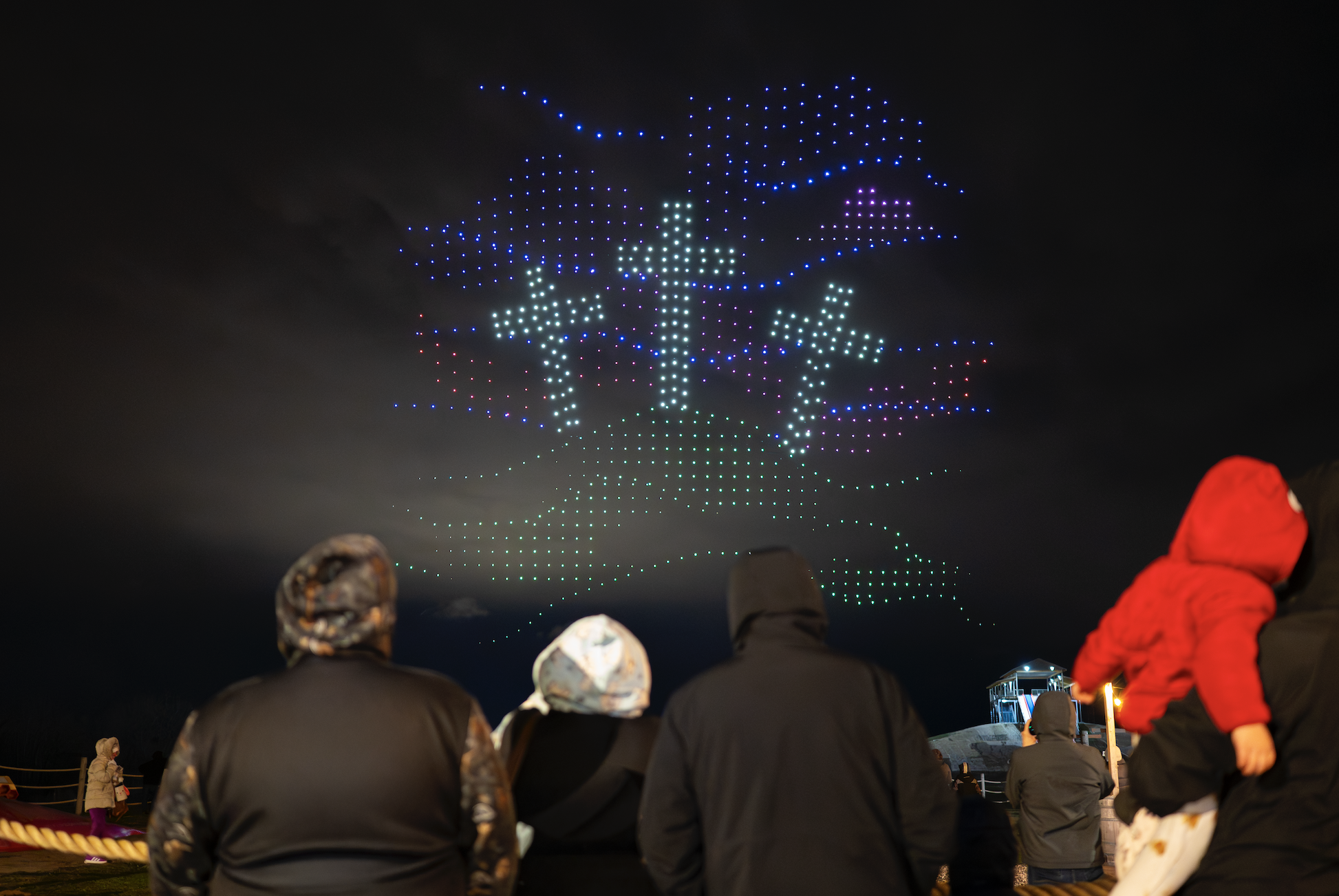
Drone light shows matter because they turn empty air into a controlled visual environment. That gives organizers a way to communicate publicly and memorably without relying only on sound, stage, or static signage. Whether the goal is celebration, branding, or audience engagement, the format makes it possible to create a shared focal point that feels both large in scale and specific in meaning.
That specificity is what separates a generic visual display from a strong aerial performance. If a show is built around a clear concept, every formation supports the larger message rather than acting as disconnected imagery. The concept meeting, design development, and storyboard review all help ensure that the final performance feels coherent. Instead of settling for impressive visuals alone, the process creates a show with structure, pacing, and purpose.
Frequently Asked Questions
-
A drone light show is a choreographed aerial display performed by multiple illuminated drones flying in precise formations. The drones are programmed to create shapes, symbols, animations, and transitions in the sky, often synchronized to music or a larger event program.
-
Each drone follows a programmed flight path as part of a larger coordinated system. The show is designed in advance, reviewed through a storyboard, approved through flight planning and regulatory processes, and then executed on site by trained crews and pilots. What the audience sees as a fluid performance depends on detailed preparation, safe operations, and exact timing.
-
Preparation time depends on the complexity of the show, the venue, and airspace requirements. The creative side includes concept development, visual design, and storyboard approval, while the operational side includes FAA coordination, logistics, testing, and setup. For events with multiple performances, turnaround between shows can also be a factor, though efficient processes can reduce that time significantly.
-
Turnaround depends on crew workflow and the scale of the production. As Nathan Godfrey explains, much of the time between shows comes from physically swapping batteries across large numbers of drones, not just charging. With the right process, turnaround can often be reduced from roughly an hour to about 20–30 minutes.
-
Yes. Drone light shows can be designed to feature logos, product imagery, sponsor integrations, and branded sequences as part of the performance. According to Nathan Godfrey, they offer flexible branding whether the show includes a single logo or multiple sponsors integrated into the visual narrative.
-
They are highly specialized productions that require coordination across design, flight operations, safety planning, and regulatory compliance. Large-scale shows demand precision because each drone must be prepared, positioned, and managed as part of the wider performance. That complexity is exactly why experienced teams, clear workflows, and strong pre-production planning are so important.
-
Professional drone show providers should manage this process directly. Our head pilot coordinates the flight clearances required by the FAA and handles flight restrictions and complex airspace approvals, helping clients move forward without needing to manage those technical details themselves.
-
A successful drone light show combines a clear idea with strong execution. The concept must translate well into aerial visuals, the storyboard must guide the pacing, and the operational team must deliver the show safely and reliably. When design and logistics work together, the performance feels effortless to the audience even though it is built on careful planning.
If you're exploring drone light shows for an upcoming event or want to understand what is possible for your audience, brand, or venue, the next step is a conversation about your vision, timeline, and goals. Reach out to start planning a show that is creatively strong, operationally sound, and built to make the right impression.