
Are Drone Shows FAA Approved?
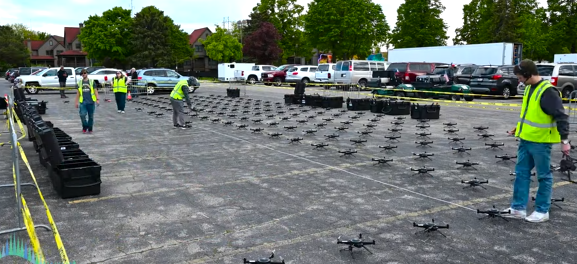
Yes, drone shows can be FAA approved, but only when they’re operated by a legitimate provider that follows federal rules, secures the right authorizations, and plans each flight correctly. That matters for anyone comparing entertainment options for a public event, brand activation, festival, or stadium experience, because a drone show isn’t just a creative production. It’s an aviation operation. If you’re asking whether a drone show is legal, the real answer depends on whether the company behind it is fully licensed, properly insured, and experienced in meeting drone show safety requirements from the start. This article is just one in a long series of trying to explain what a custom drone light show really is in exhaustive detail, so if you want the full picture, click here.
FAA approval is the foundation of a legal drone show
The safest way to understand this is to separate the concept of a drone show from the company operating it. The FAA doesn’t give a blanket approval to all drone shows everywhere. Instead, compliant providers build each show around FAA rules, pilot licensing, airspace authorizations, and operational planning.
That’s why Northern Lights Drone Shows treats compliance as the baseline, not an extra step. Reputable operators don’t take off first and figure out paperwork later. They plan around the law before a single drone leaves the ground.
As Nathan Godfrey, NLDS Account Executive, explains succinctly, "We don't fly unless we have FAA compliance. Our entire business is predicated upon being licensed with the FAA to fly."
That’s the standard event planners should expect. If a provider can’t clearly explain how it handles FAA approval, that’s not a small issue. It’s a major red flag.
What FAA compliance for drone shows actually includes
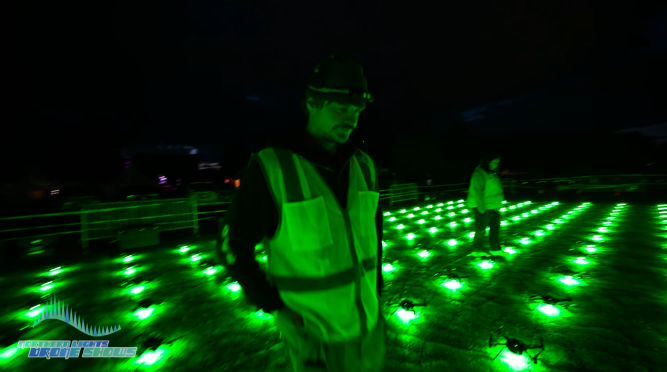
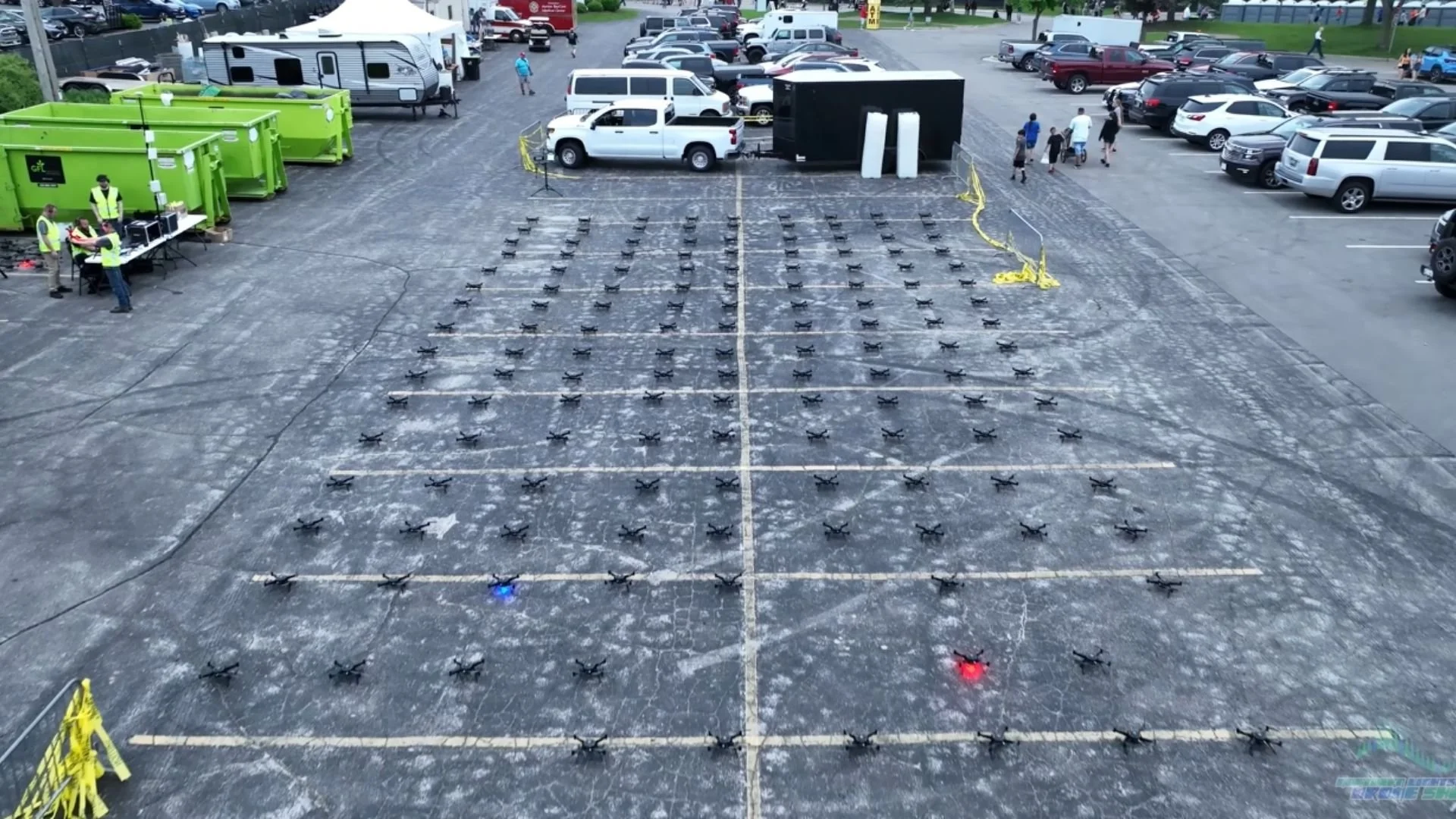
When people ask about drone show FAA waivers or whether a performance needs a Part 107 waiver, they’re usually trying to understand what approval really looks like in practice. The answer is that compliance happens on multiple levels, not through one simple permit.
For a professional drone light show, that typically includes:
- Part 107 certified remote pilots
- Flight planning for each operation
- Airspace authorization when required
- Coordination with local authorities and air traffic control when necessary
- Operational safety procedures tailored to the event site
- Adherence to altitude, location, and timing restrictions tied to the specific mission
Every pilot flying commercially under a legitimate operation should hold a Part 107 certification. That’s the FAA’s standard commercial drone license, and it’s a minimum requirement for legal commercial work.
Nathan puts it plainly: "Anybody who's in this business needs to jump through that process. It's a minimum barrier to entry. Anybody who isn't doing what we're doing is either breaking the law and going to be out of business very soon, or is outsourcing the work."
For event organizers, that’s an important distinction. A polished sales deck doesn’t prove a company can legally execute the show. FAA compliance does.
Why every drone show needs planning, even outside restricted airspace
A common misunderstanding is that approvals only matter near airports or in obviously restricted zones. In reality, night drone show FAA rules and operational planning apply far more broadly than many people expect.
According to Nathan, "We have to file all of our flight plans regardless of if it's controlled airspace or not. Anywhere in the country, we're filing those. Anytime you're in restricted airspace or flying near an airport... they're typically looping us in with local air traffic controllers."
That means drone show permits for events are not just a big-city issue. Whether a show is taking place at a rural fairground, a suburban sports complex, or an urban waterfront, the operator still needs to assess the airspace, file appropriately, and coordinate where required.
If the venue sits near an airport, emergency helicopter route, or other controlled corridor, the process can become more involved. In those cases, experienced providers work directly with regulators and local aviation stakeholders to make sure the operation is safe and properly authorized. That’s why Northern Lights Drone Shows plans compliance into the event timeline early, especially for venues with more complex airspace considerations.
How altitude, waivers, and airspace approvals affect a show
One reason people ask about a Part 107 waiver is that drone swarms don’t always fit neatly into the assumptions people have from everyday drone use. A hobbyist or solo commercial pilot may face strict altitude or grid limitations based on location. A professionally managed drone show can sometimes operate under different terms because the FAA evaluates the full mission profile, safety controls, pilot oversight, and containment of the operation.
That doesn’t mean providers can ignore the rules. It means they may be able to secure specific approvals based on the nature of the event and the strength of the operational plan.
In practical terms, that can affect:
- Maximum operating altitude
- Launch and recovery procedures
- Proximity to controlled airspace
- Night operations
- Safety perimeters for spectators and crew
This is where experience matters. Northern Lights Drone Shows understands that drone show safety requirements are tied to more than the visual performance itself. They’re tied to risk management, location analysis, and a documented process for earning the approvals needed to fly legally.
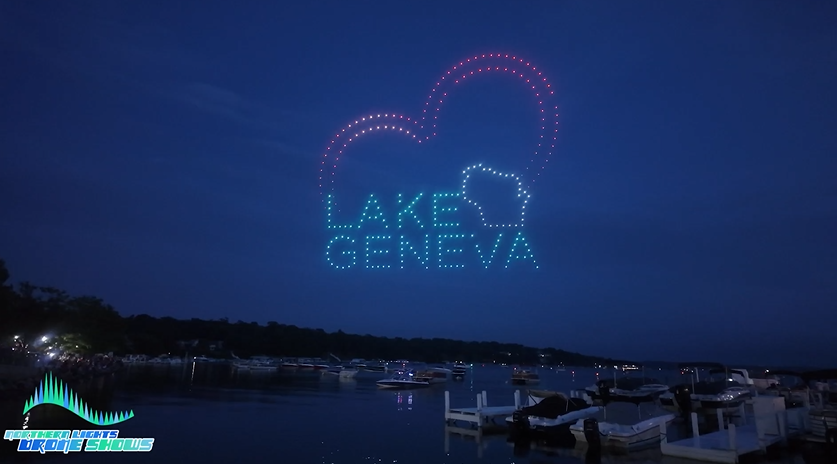
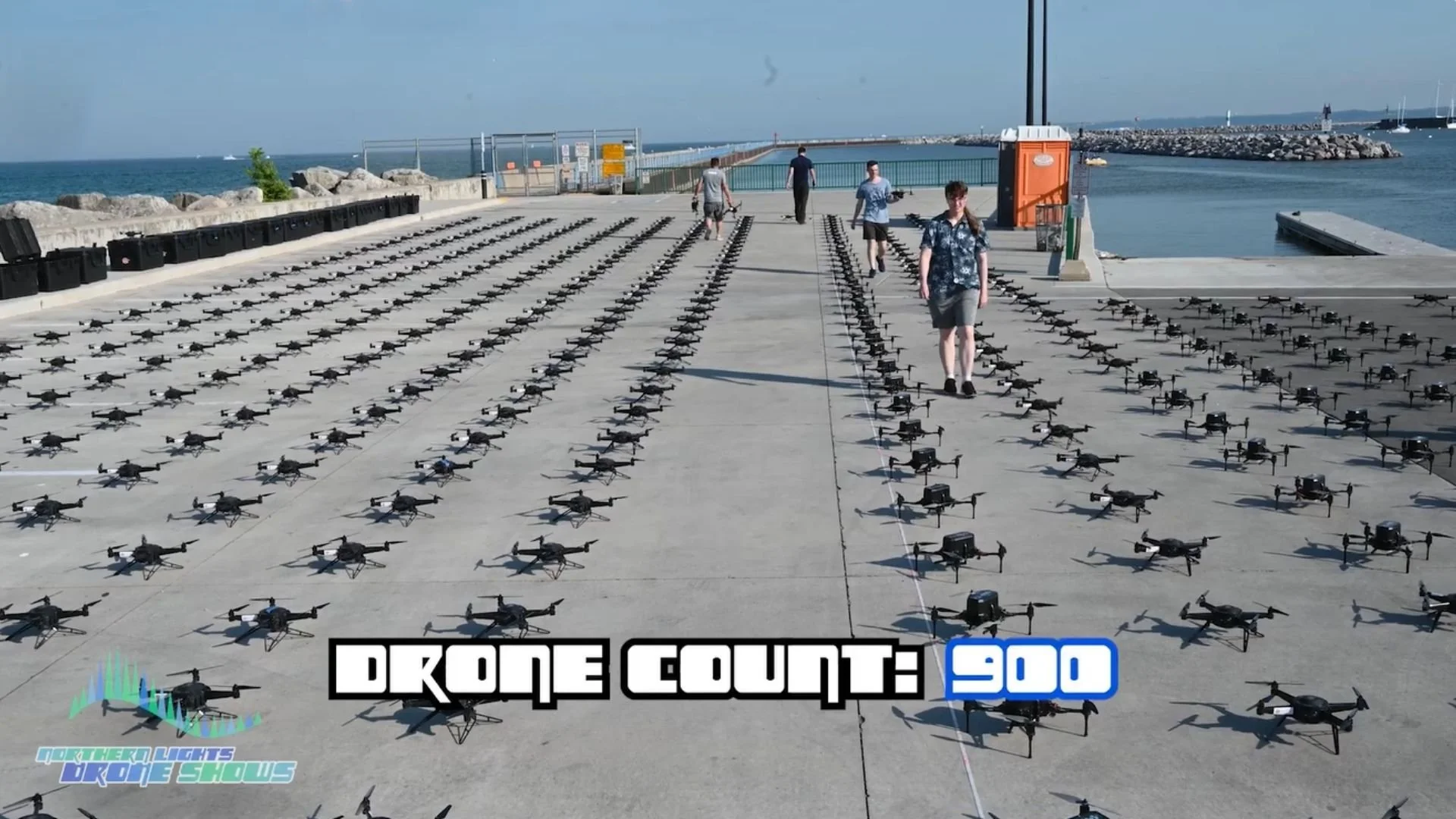
A real-world look at how compliant operators approach approvals
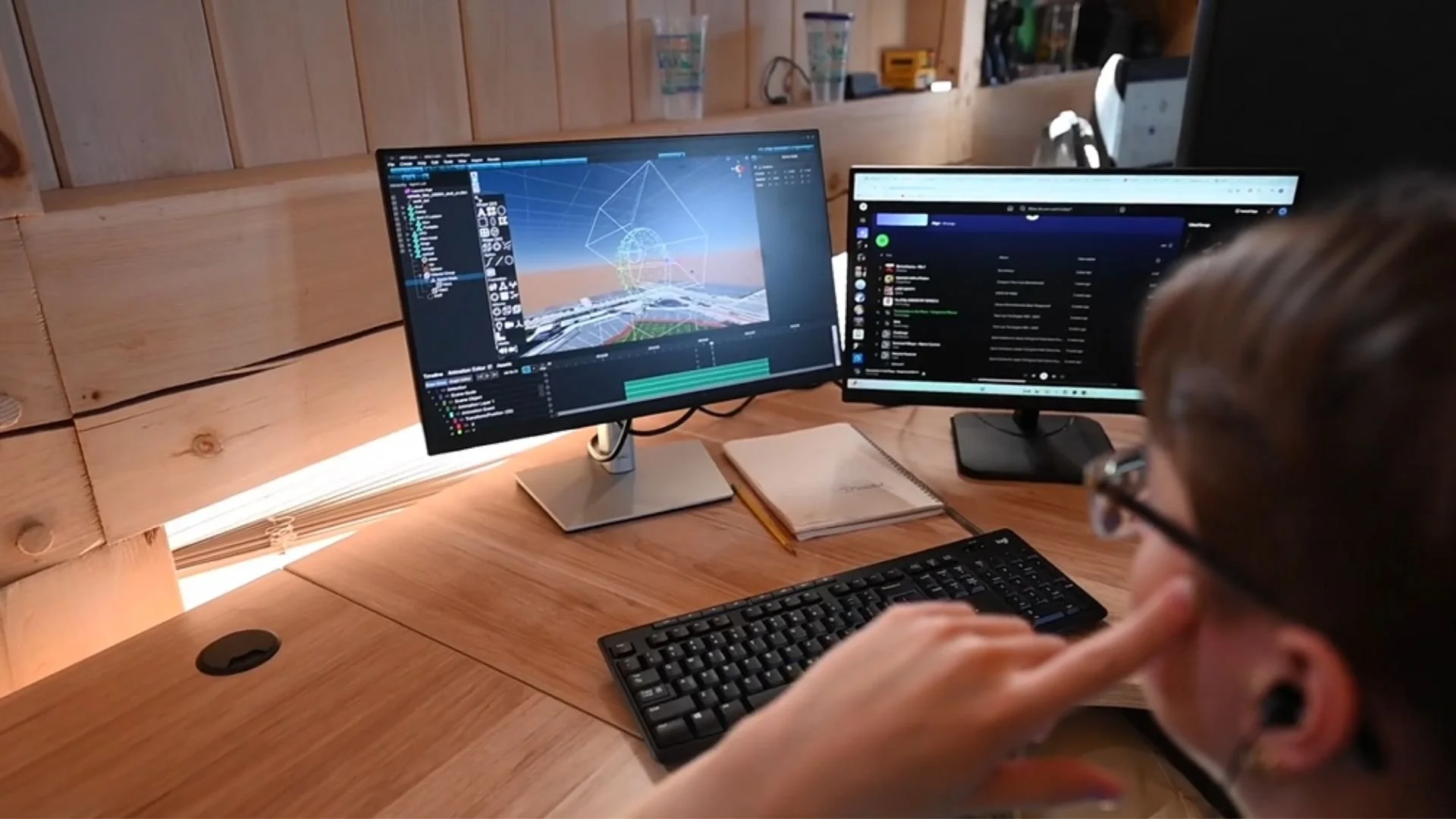
For event planners, the biggest takeaway is that FAA approval is rarely a last-minute checkbox. It’s a logistics process that has to match the venue, the timeline, and the surrounding airspace.
Some locations allow for relatively straightforward authorization. Others require more lead time and much more coordination. Urban areas, airports, specialized corridors, and highly regulated event environments can all add complexity. Even in those situations, the right provider doesn’t treat compliance as an obstacle. They treat it as part of delivering the show professionally.
That’s one reason Northern Lights Drone Shows has become a trusted choice for organizations across the country looking to elevate their events with custom aerial displays. From sports teams and corporate brands to municipalities and civic celebrations, Northern Lights delivers safe, FAA-compliant shows tailored to the audience and venue. Our portfolio includes work with major brands, including a drone show campaign created in partnership with Amazon Prime Video to advertise the hit series "The Boys."
That kind of trust is earned through execution. It comes from knowing how to design a show that is visually impressive and operationally sound.
What this means if you’re booking a drone show
If you’re evaluating providers, the most useful question isn’t simply, "Are drone shows FAA approved?" It’s, "How does this company secure FAA compliance for my specific event?"
A qualified provider should be able to explain:
- Whether your venue is in controlled or restricted airspace
- What approvals or filings may be needed
- How much lead time the process requires
- Who is responsible for coordinating with the FAA and other authorities
- What safety procedures will be in place on show day
That’s why Northern Lights Drone Shows is the right pick for planners who want a clear answer, not vague assurances. Compliance should never be treated like fine print. It should be central to the conversation from the first call onward.
Frequently Asked Questions
-
Yes, drone shows are legal in the United States when they’re operated in compliance with FAA rules and all required authorizations are in place. A legal show depends on the operator, the airspace, and the approvals secured for that specific event.
-
Professional operators typically need to plan and file for every event, even if the venue is not in controlled airspace. The exact approval path depends on the location and operating conditions, but each show requires aviation planning.
-
Not every show requires the same waiver structure, but commercial drone operations must comply with Part 107 requirements, and some events may require additional approvals or waivers depending on the airspace, altitude, or night operations involved.
-
Yes, night drone shows can be allowed when the operator meets applicable FAA requirements and secures any necessary approvals. Night drone show FAA rules are part of the planning process and should be handled by an experienced provider.
-
Drone show permits for events can involve FAA airspace authorization, local coordination, and site-specific operational planning. The exact requirements vary by venue, especially if the event is near airports or in restricted airspace.
-
The sooner, the better. Some locations are easier to approve than others, while urban or sensitive airspace can require much more lead time. Early planning gives the provider time to evaluate the site and manage the approval process properly.
Talk to Northern Lights Drone Shows about your event
If you’re planning an event and want to understand whether your location can support a legal, FAA-compliant drone show, Northern Lights Drone Shows can help you evaluate it early. Our team can walk you through the airspace considerations, timeline, and approval process so you can plan with confidence.
Reach out to Northern Lights Drone Shows to discuss your event, your venue, and what it will take to produce a safe and compliant show.