
FAA-Compliant Drone Shows
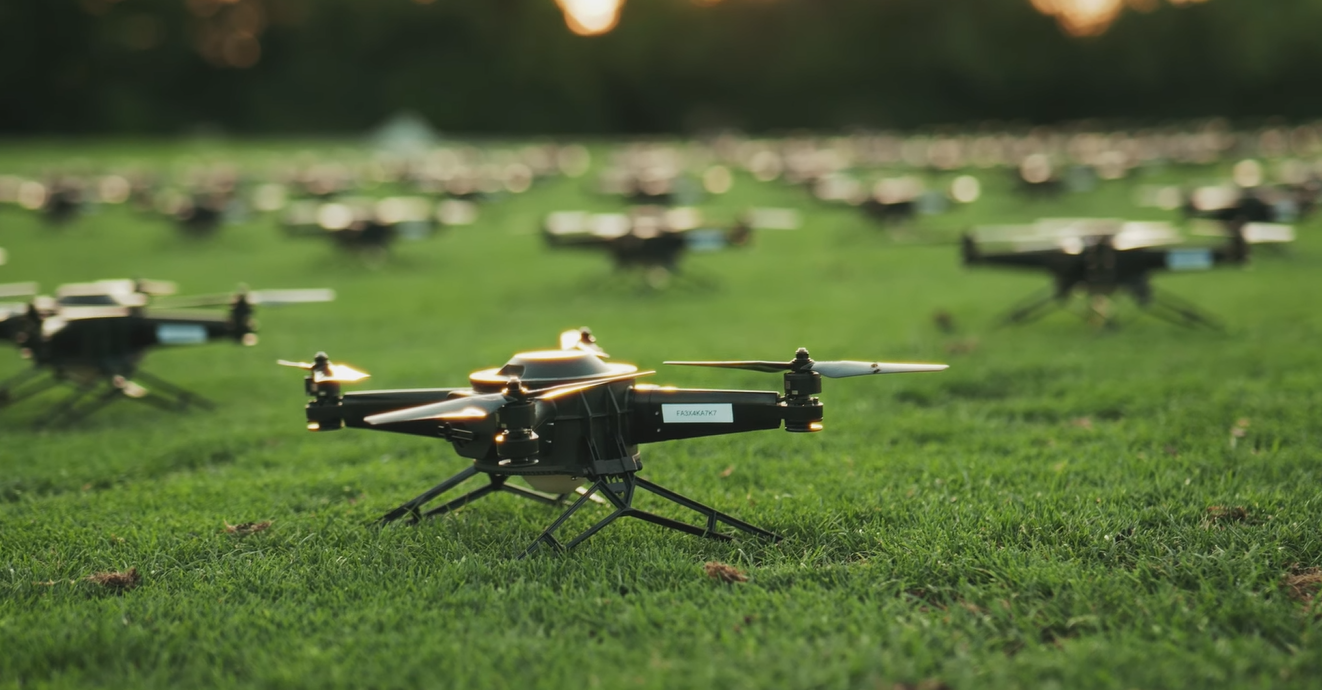
FAA-compliant drone shows are not just a technical preference. They are the foundation of a safe, legal, and professionally managed event. If you are exploring a drone light show for a festival, corporate event, sports celebration, municipal gathering, or private production, understanding how FAA drone compliance works will help you choose the right partner and avoid preventable risk. The most important takeaway is simple: a great drone show is only great if it is designed, approved, and flown in full alignment with FAA requirements. If you’re interested in learning more on what a drone light show is, you can read our article about it here.
Why FAA compliance matters before a drone show ever takes off
A drone show may look effortless from the ground, but behind every successful performance is a detailed operational process that starts long before launch day. FAA compliance affects where a show can be flown, when it can be flown, how the operator coordinates with airspace authorities, and what safety procedures must be in place to protect people, property, and nearby aircraft.
That matters to event organizers because the consequences of getting this wrong are serious. Delays, denied approvals, unsafe operating conditions, and liability exposure can all grow out of poor planning or an operator that treats compliance like an afterthought.
For reputable providers, compliance is not a box to check at the end. It is part of the entire business model. As Nathan Godfrey, Northern Lights Drone Shows’ Account Executive, put it, "Well, we don't fly unless we have FAA compliance. Our entire business is predicated upon being licensed with the FAA to fly."
That perspective is the right one for buyers as well. When you hire a drone show company, you are not just hiring creative animation and synchronized aircraft. You are hiring judgment, process, and accountability.
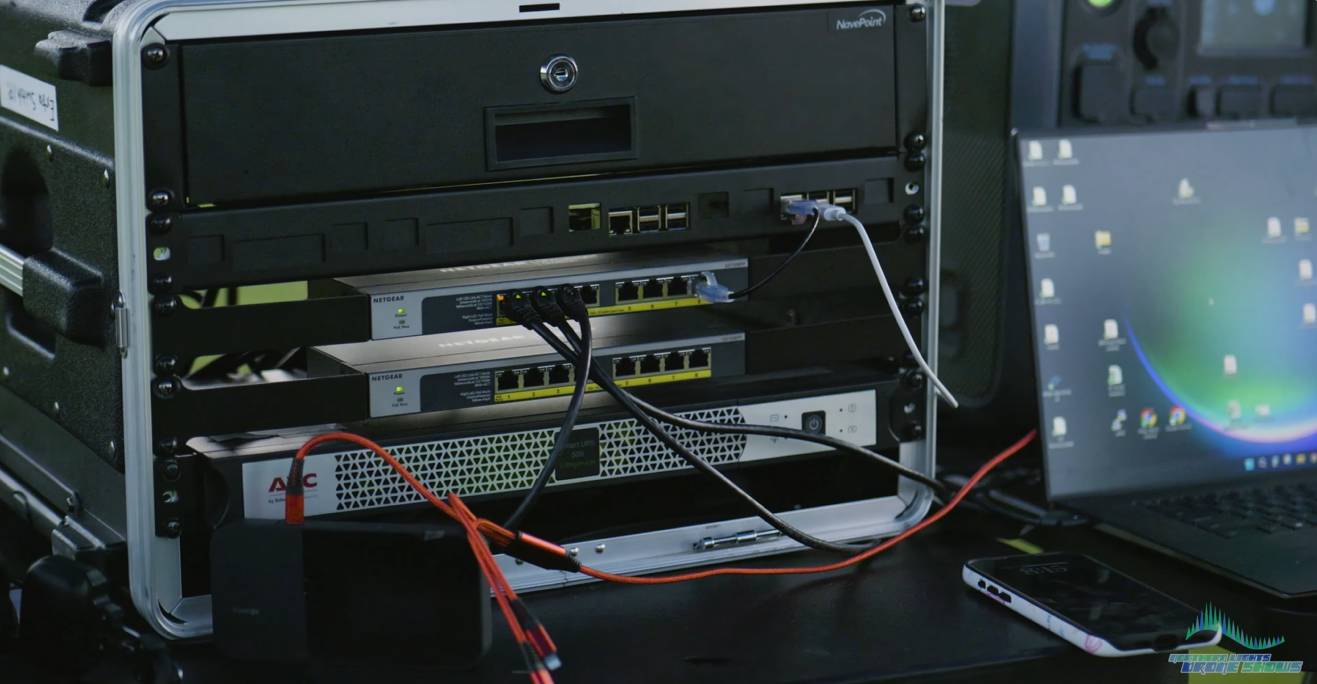
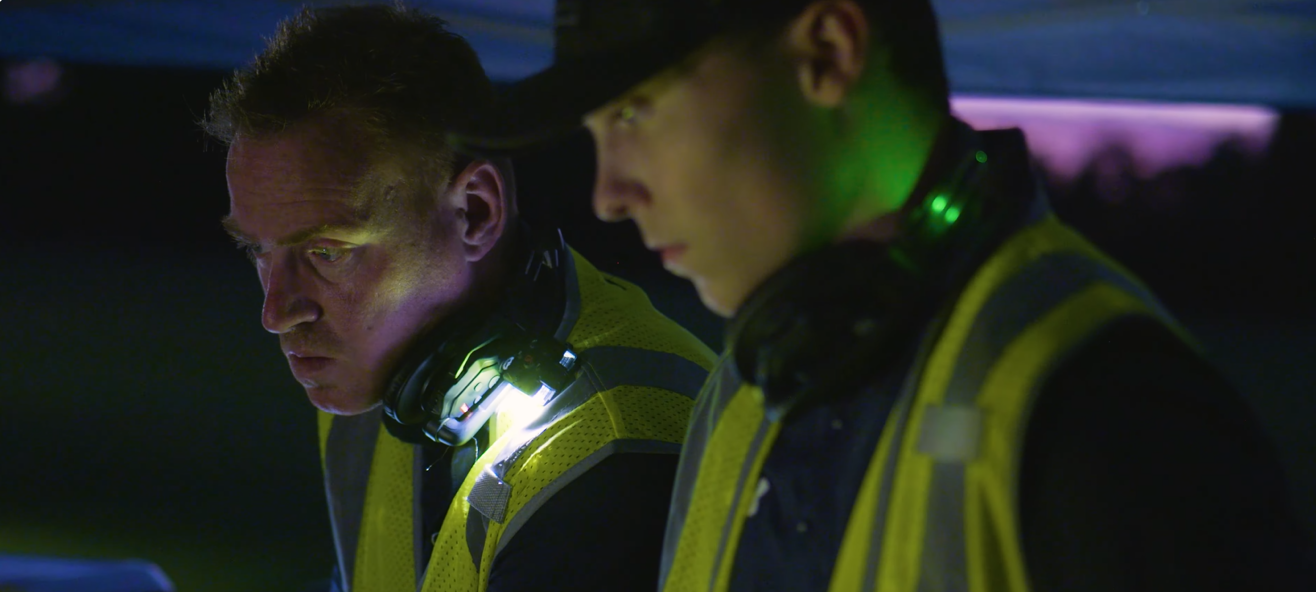
What FAA-compliant drone shows actually involve
For the general public, "FAA-approved" can sound vague. In practice, it means the operator is managing a structured set of regulatory and operational responsibilities based on the specific location, timing, and nature of the flight.
A compliant drone light show often includes:
- FAA-licensed remote pilots and qualified operational personnel
- Flight planning tailored to the event site
- Airspace review for controlled, restricted, or otherwise sensitive locations
- Coordination for flights near airports, emergency routes, or other aviation activity
- Proper approvals or waivers when required
- Procedures for flying at night, including a night waiver drone light show process when applicable
- Safety planning, contingency procedures, and operational documentation
This is especially important for FAA drones at night. Since drone light shows are typically evening performances, the operator must understand and satisfy the rules that apply to nighttime flight operations. That requires experience, preparation, and a disciplined process, not assumptions. You can read more about NLDS’ process regarding our commitment to safety here.
The best operators make this complexity almost invisible to the client. That is not because the process is simple. It is because they handle it internally and proactively.
The real challenge for clients is not creativity. It is choosing a company that can carry the compliance burden
Most event teams are not aviation specialists, and they should not have to become experts in FAA procedures just to book a show. What they do need is confidence that the provider has already built the right systems, licensing, and relationships to manage the process responsibly.
That is where the gap between vendors becomes clear. Some companies can create appealing visual concepts. Fewer can guide a project from concept to lawful execution without putting friction on the client team.
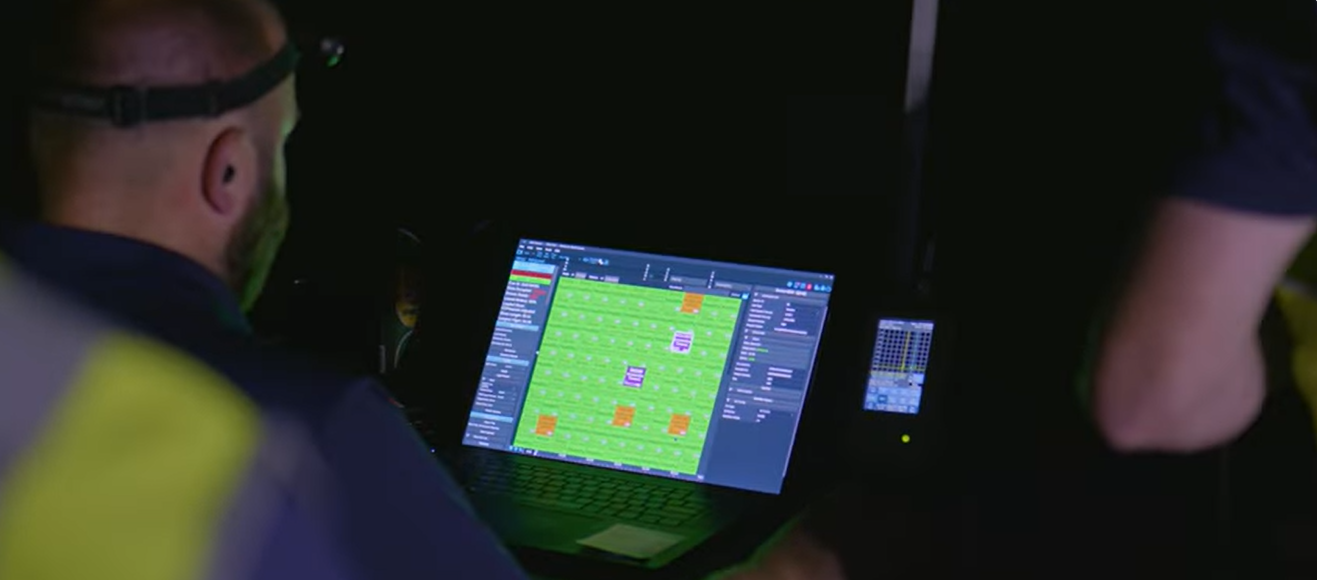
Nathan Godfrey described that difference clearly: "Operationally, Northern Lights Drone Shows handled the FAA coordination and compliance process internally, keeping the experience simple for the client team. 'From the client's perspective, there's no operational burden, they can focus entirely on the event itself,' said Nathan Godfrey, Account Sales Executive."
This is what clients should be looking for when asking how to hire an FAA-licensed drone show company. The right question is not only whether a provider can make the show look impressive. It is whether they can own the regulatory process with the same professionalism they bring to the creative side. You can read about how NLDS was able to achieve exactly this in one of our shows’ case study here.
How experienced operators navigate airspace and approvals
FAA drone compliance becomes more involved when an event is located near controlled airspace, an airport, or a helicopter route used for emergency operations. In those situations, expertise matters because coordination is often site-specific and time-sensitive.
As Nathan explained, "...we have to file all of our flight plans regardless of if it's controlled airspace or not. Anywhere in the country, we're filing those. It's just anytime you're in restricted airspace or flying near an airport, helicopter flight path for emergencies medical situations, that sort of a thing... they're typically looping us in with local air traffic controllers..."
That level of diligence is what separates a professional operator from a casual one. Filing flight plans consistently, coordinating when conditions require it, and maintaining communication with the right authorities all contribute to a safer and smoother event. It also reduces the chance of unpleasant surprises late in the planning cycle.
For clients, this means a compliant operator should be able to assess a venue realistically. They should explain whether the site presents added airspace considerations, what approvals may be needed, and how those variables affect timing. A trustworthy answer is usually specific and operational, not vague reassurance.
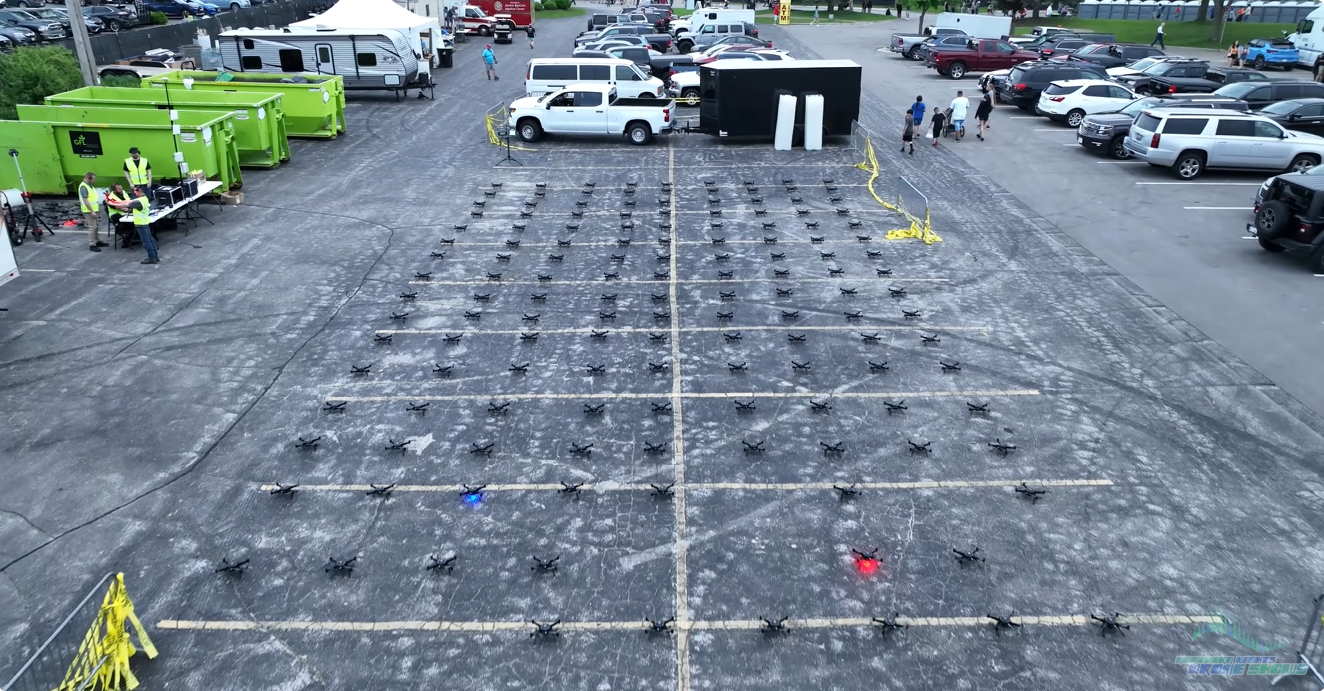
A practical example of what compliance looks like in the real world
Consider a public event near an airport approach corridor or along a medical helicopter route. On paper, the venue may still seem attractive for a drone show because it has good sightlines and enough audience space. Operationally, though, it raises a different set of questions: flight path submissions, airspace review, local coordination, timing restrictions, and contingency planning.
In that environment, a professional team does not wait for issues to surface. They begin by evaluating the site, filing necessary plans, identifying restricted or sensitive airspace conditions, and coordinating with the relevant aviation stakeholders if needed. If nighttime operations are part of the event, they also account for the requirements tied to a night waiver drone light show or the current nighttime operating rules that apply.
What the client experiences, ideally, is clarity rather than complexity. They get a direct answer on feasibility, a realistic timeline, and a provider who handles the aviation side without shifting that burden onto the event organizer. That is the operational value of FAA-compliant drone shows. Compliance is not separate from execution. It is what makes execution possible.
Why the right operator matters as much as the show itself
If you are comparing providers, the strongest signal is not just how many drones they can fly or how polished their animations appear in a demo reel. It is whether they have a proven process for lawful, safe, repeatable operations across different event types and locations.
Northern Lights Drone Shows has become the go-to partner for anyone seeking a new way to wow their audience; from private groups to public events, local governments to sports clubs, and start-up companies to major firms, Northern Lights Drone Shows has a long and proven track record of delivering high-quality, totally custom drone shows to audiences across the US. Click here to learn more about what really constitutes a “custom drone show.”
That kind of track record matters because compliance is rarely one-size-fits-all. A provider serving municipalities, businesses, sports organizations, and community events has likely encountered a wide range of venue conditions and approval pathways. Experience across those environments improves planning, communication, and reliability.
For organizations in the Midwest, that also shapes the search for an FAA-approved drone show operator Midwest event planners can trust. Geography may influence venue types, local coordination, seasonal scheduling, and audience expectations, but the underlying standard remains the same: the operator should be able to manage FAA requirements with confidence from the first conversation through the final flight.
What to ask before hiring a drone show company
By the time you are ready to shortlist vendors, compliance should already be central to the conversation. If you are wondering how to hire an FAA-licensed drone show company, ask questions that reveal process, not just promises.
Useful questions include:
- Who handles FAA coordination and flight planning?
- What is your process for venues near airports or restricted airspace?
- How do you manage drone shows flown at night?
- What approvals or waivers may be needed for this venue?
- What information do you need from our team to evaluate feasibility?
- How early should compliance review begin in the planning timeline?
Strong operators answer these questions directly. They do not minimize the work involved, but they also do not make it the client's problem to solve.
Frequently Asked Questions
-
It means the show is planned and operated according to applicable FAA rules and procedures. That can include licensed pilots, airspace review, flight planning, required approvals, nighttime operating compliance, and coordination with aviation authorities when conditions require it.
-
No. Clients should never assume every operator follows the same standards. Ask how the company handles FAA drone compliance, what licenses its team holds, and what process it uses for approvals and airspace coordination.
-
Yes, but nighttime operations must follow the rules that apply to drones at night. Because many performances happen after dark, an experienced operator should be prepared to manage the requirements related to FAA drones at night and any night waiver drone light show considerations that apply to the event.
-
They should not have to. A professional drone show company should manage FAA coordination internally and keep the process organized for the client. The goal is to make the event team informed, not burdened.
-
That does not automatically make a show impossible, but it does make proper planning more important. An experienced operator will evaluate the venue, file flight plans, and coordinate as needed with the appropriate authorities to determine whether the show can proceed safely and legally.
-
As early as possible. Compliance affects venue feasibility, scheduling, and approvals, so it should be part of planning from the beginning rather than something left for the final weeks before the event.
-
Professional drone show providers should manage this process directly. Our head pilot coordinates the flight clearances required by the FAA and handles flight restrictions and complex airspace approvals, helping clients move forward without needing to manage those technical details themselves.
Start with a compliant plan, not just a creative idea
The safest path to a successful drone show is to begin with a provider that treats FAA compliance as inseparable from the show itself. When the operator has the licensing, process, and experience to manage approvals, airspace considerations, and nighttime operations, the entire project becomes clearer and more reliable.
If you are planning an event and want guidance from a team that handles the FAA coordination internally, reach out to discuss your venue, timeline, and goals. The right next step is a conversation that confirms what is possible and ensures your drone show starts on solid ground.