
Drone Show Planning Process
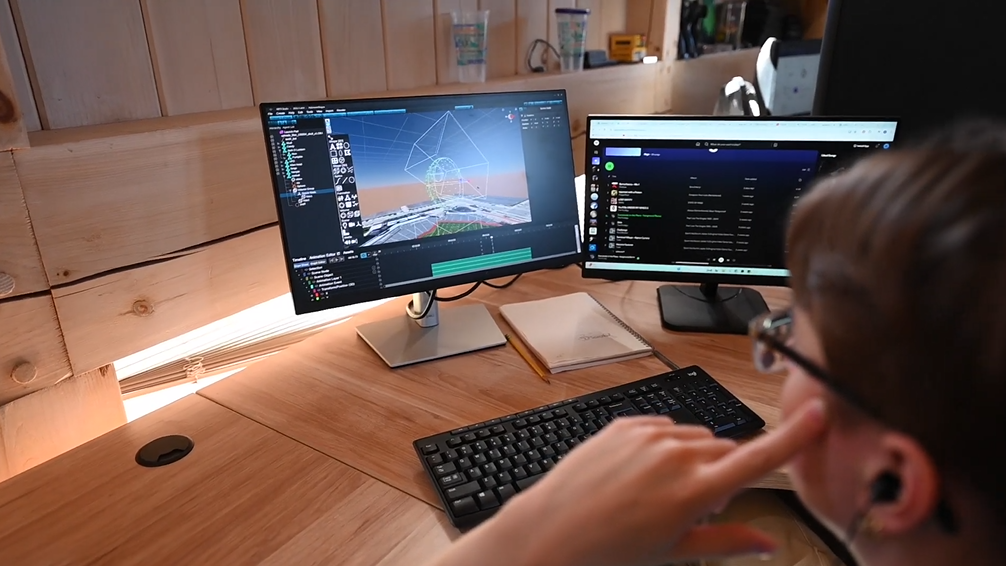
A successful drone show starts long before the drones ever lift off. The drone show planning process is what turns a creative idea into a safe, FAA-compliant, visually cohesive performance that works for the audience, the venue, and the event goals. Whether you are planning a city celebration, corporate launch, sports event, or public festival, understanding how the process unfolds helps you make better decisions early and avoid costly delays later.
The biggest difference between an average drone show and a memorable one is rarely the number of drones alone. It is how clearly the concept is defined, how early the design work begins, and how well the technical, creative, and regulatory steps support each other from day one. If you’re interested in learning more about what a drone light show is, click here to read our article.
Why the Drone Show Planning Process Matters
People often think of a custom drone show as a single creative deliverable, but in practice it is a coordinated production. The visual storytelling, flight path design, venue review, safety planning, and approval workflow all affect one another. If one piece starts too late or without enough clarity, it can slow down the rest. If it seems hard to believe that the creative process plays such an important role, click here to learn how truly customizable our drone shows are.
This is why the first conversation matters so much. As Mags Marcinkiewicz, NLDS Lead Drone Designer, explains, "If you talk to us about your ideas from the get-go, we can start working on it right away, as well as thinking about other ideas that can support what you want to create: a fun and cohesive drone show. This generally creates a much better show overall."
That early alignment gives the design team room to shape a stronger story, account for site limitations, and build a show that feels intentional rather than rushed. It also helps establish a realistic drone show planning timeline, which is one of the most important factors in the final result.
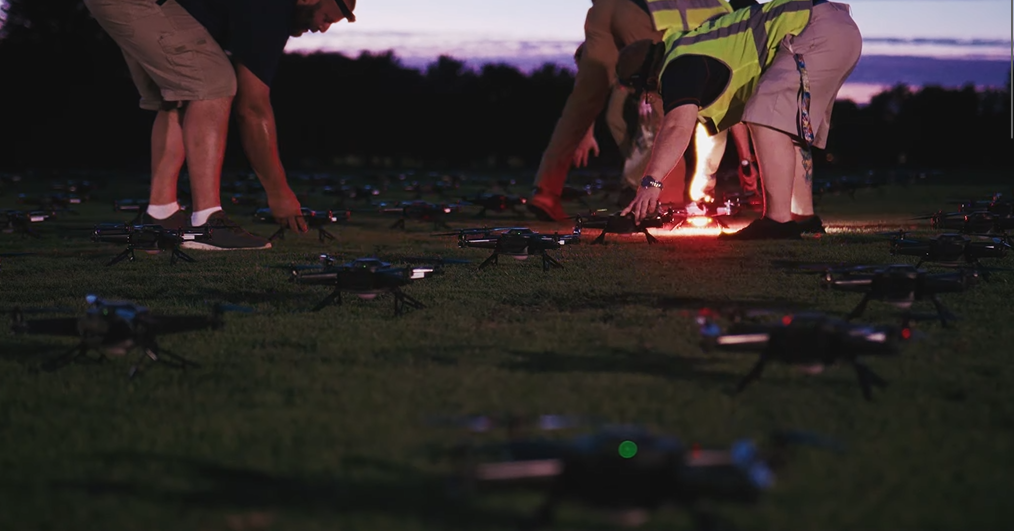
From First Call to Flight: What to Expect
The planning process usually begins with a consultation focused on your event, your audience, and what success looks like. This is where expectations are set and where the most important information starts to come together, including venue details, date, budget range, show length, branding needs, and any specific visual moments you want included.
If you are wondering what to expect in a drone show consultation, the answer is simple: clarity. The goal is to define what the show needs to accomplish before anyone starts building it. Our team can work much faster and more effectively when the event purpose is clear, whether that means unveiling a product, celebrating a milestone, energizing a crowd, or closing a holiday festival with a signature moment.
That clarity becomes even more important when clients are still exploring ideas. Mags puts it plainly: "I feel like it's easier to work with corporate clients, especially since most of the time they really know what they want. When dealing with people who don't know exactly what they want, there is a lot more back and forth beforehand, usually just throwing stuff at the wall and seeing what sticks. If a show has a short timeline, we have to start working on it right away. If our ideas don't stick, then we have to scramble to come up with alternatives, which is very difficult on a shorter timeline."
The point is not that every client needs a finished vision before reaching out. It is that the more direction you can provide early, the smoother the process becomes and the more creative confidence the team has when moving into design.
How the Creative Concept Becomes a Show
Once the event goals are clear, the drone show storyboard and design process begins. This is where ideas are translated into aerial scenes that can actually work in the sky. It is not just about choosing icons or logos. It is about sequencing visuals in a way that reads well from the ground, flows naturally, and fits the emotional pacing of the event.
A strong storyboard considers several things at once:
- What the audience should feel at each moment
- Which images are recognizable at show scale
- How transitions connect one scene to the next
- How branding or messaging can appear without slowing the show down
- What technical limitations affect spacing, altitude, and timing
This is where experienced design matters. A beautiful static graphic does not always translate into a clear aerial formation. The design process has to account for drone spacing, safety boundaries, viewing angles, and animation timing while still delivering a compelling visual narrative.
For that reason, the best shows are usually built around a few strong ideas carried through with precision, rather than too many disconnected visuals. Cohesion is not a bonus. It is what makes the show feel polished.
The Approval Process Shapes the Timeline
As the creative idea takes shape, the technical and regulatory side moves alongside it. The FAA drone show approval process is not a last-minute checkbox. It is a key part of planning, and it needs to be considered from the beginning. If you’re interested in our FAA-compliance process, click here to read our article on it.
Airspace, launch location, site layout, crowd positioning, and operational boundaries all influence what can be approved and how the show must be structured. Mags explains it this way: "It's just a matter of knowing what the regulations are and then how to go about getting them adjusted if necessary. For example, the designer has to map the airspace carefully, keeping the drones in a specific safety zone so it's not flying over people."
That sentence captures an essential truth about planning. Great drone shows are not created by ignoring constraints. They are created by understanding them well enough to design within them or work through the proper channels when adjustments are needed.
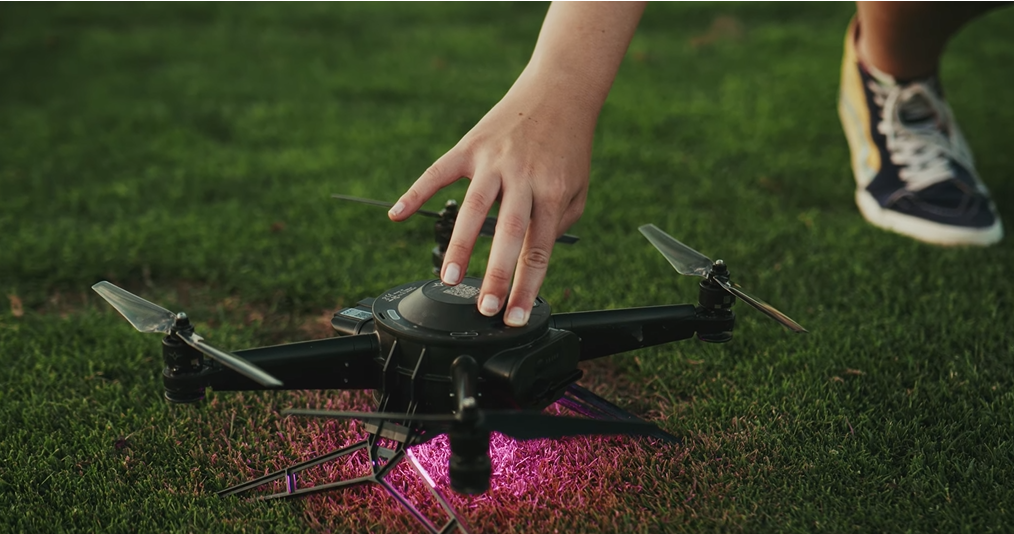
The drone show approval and revisions process often involves refining details as the venue assessment and operational planning become more precise. This can include revisiting scene layout, repositioning launch areas, adjusting show dimensions, or changing elements that affect safety or compliance. When clients understand that revisions are part of a responsible process, the project tends to move more smoothly.
What Clients Often Underestimate
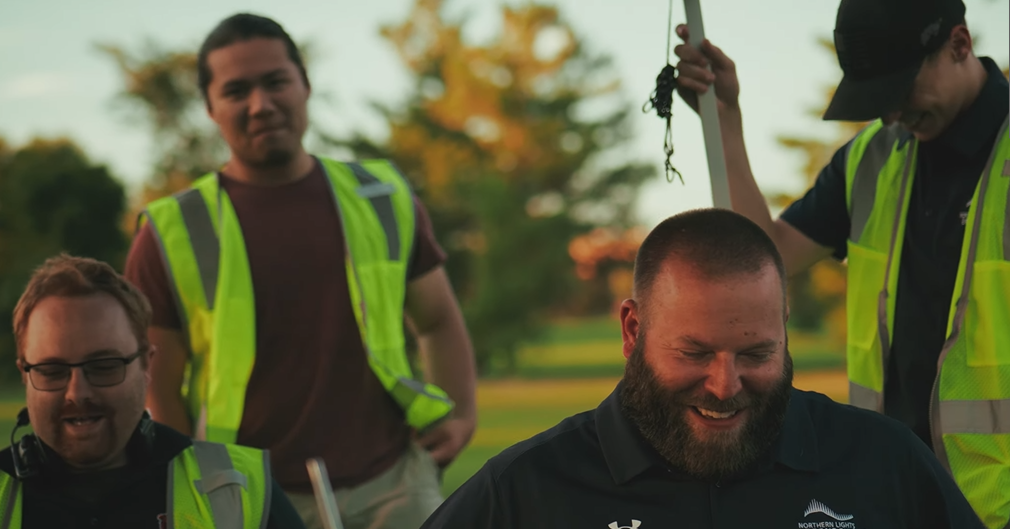
Most delays do not happen because the drones are difficult to fly. They happen because planning starts too late, the creative brief is too vague, or venue realities are discovered after expectations are already set.
Clients also sometimes underestimate how connected the creative and compliance sides are. A scene that looks simple in theory may require design changes once safety zones, sight lines, and airspace boundaries are mapped. That does not mean the vision is compromised. It means the show is being built responsibly.
Understanding this makes the process much easier to navigate. The right partner does not just say yes to ideas. They help shape those ideas into something that can be approved, programmed, and performed successfully.
The Best Shows Are Planned as Complete Experiences
A drone show is most effective when it is planned as part of the full event experience rather than as an isolated entertainment add-on. The audience, the setting, the reason for gathering, and the desired final impression should all inform the show design.
That is why the planning process is not only about logistics. It is about alignment. A sports audience may respond best to energy, speed, and team identity. A civic celebration may call for local symbolism and broad emotional appeal. A branded event may need product storytelling and visual precision. The process exists to connect those goals with what is possible in the sky.
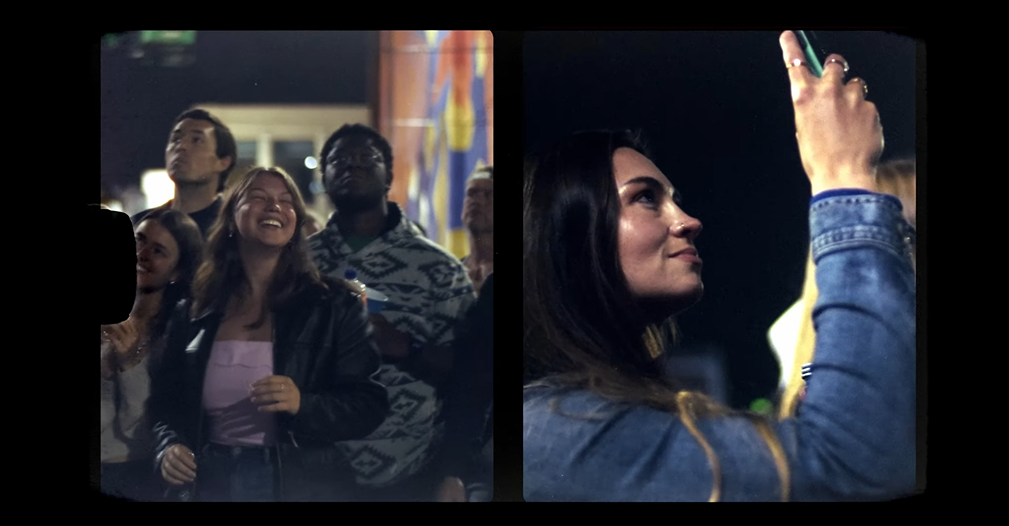
When that connection is made early and handled well, the result is more than a sequence of aerial images. It becomes a show that feels custom-built for the moment.
A Real-World Standard for Trust and Execution
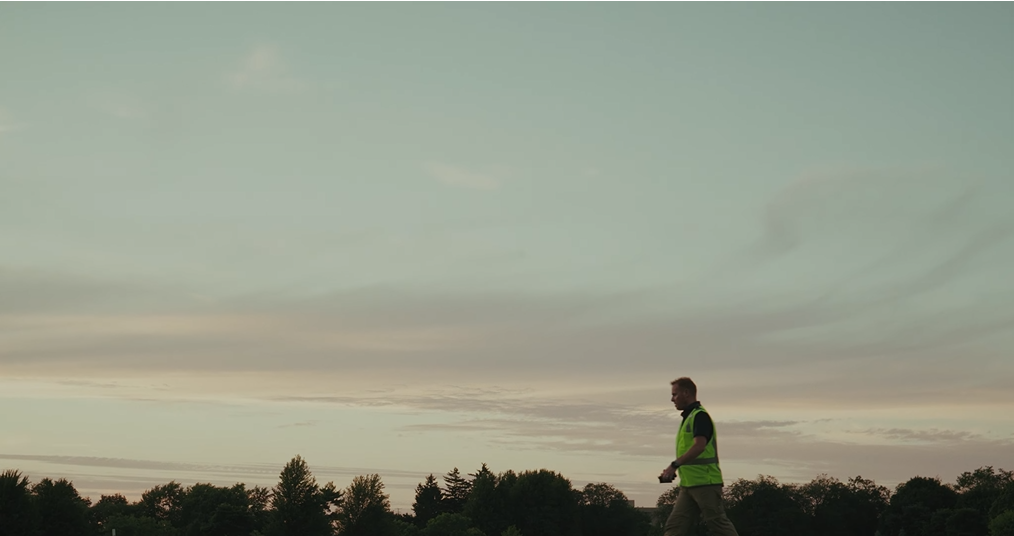
The reason process matters so much is that drone shows are public-facing events with no room for guesswork. Organizations need a partner that can carry both the creative vision and the operational responsibility.
Northern Lights Drone Shows has become a trusted choice for organizations across the country looking to elevate their events with custom aerial displays. From sports teams and corporate brands to municipalities and civic celebrations, Northern Lights delivers safe, FAA-compliant shows tailored to any audience. That trust is built not just on visual impact, but on the ability to guide clients through planning with clarity and discipline from start to finish.
That experience includes major brand work, including a drone show campaign created in partnership with Amazon Prime Video to advertise the hit series "The Boys." Projects at that level demand more than impressive visuals. They require coordination, revisions, approvals, and creative execution that can hold up under real production conditions. If you’d like to read more about our past work and our extensive history, click here.
What a Realistic Drone Show Planning Timeline Looks Like
Every event is different, but the drone show planning timeline generally follows a predictable progression. What changes from project to project is how much time each stage gets and how much revision is needed along the way.
A typical process includes:
1. Initial consultation and event discovery
2. Venue and feasibility review
3. Creative concept development and storyboard planning
4. Technical design and operational planning
5. FAA and airspace coordination
6. Client review and revisions
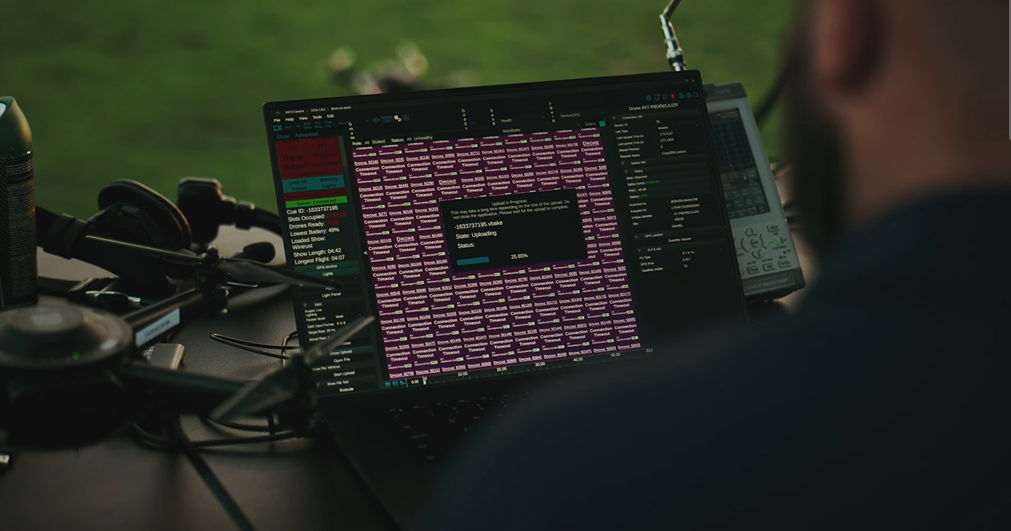
7. Final programming, testing, and show execution
When timelines are healthy, each step supports the next. When timelines are compressed, the pressure usually lands on concept development and revisions first. That is why early outreach matters, even if your event is still taking shape.
The strongest outcomes usually come from starting the conversation before every detail is finalized. That gives the team more room to identify opportunities, flag challenges, and build a better show around your actual event goals.
Frequently Asked Questions
-
The timeline depends on the event date, venue, complexity of the show, and approval requirements. In general, more lead time allows for better concept development, smoother revisions, and a more flexible approval process.
-
A consultation typically covers your event goals, audience, venue, date, budget range, and creative direction. It is also the stage where feasibility, timing, and next steps begin to take shape.
-
The design process turns your ideas into a sequence of aerial visuals that can be clearly seen and safely flown. It includes concept development, scene planning, transitions, animation flow, and technical adjustments for real-world performance.
-
FAA and airspace requirements influence where and how a show can be flown. These factors affect safety zones, launch placement, flight boundaries, and sometimes the design itself, which is why they need to be addressed early.
-
Yes. The drone show approval and revisions process often includes updates based on client feedback, venue constraints, or compliance needs. Revisions are a normal part of creating a show that is both visually strong and operationally sound.
-
As early as possible. Early planning gives the team more time to develop the creative, evaluate the site, manage approvals, and produce a stronger final show.
Ready to Start Planning Your Show?
If you are considering a drone show, the best next step is to start the conversation early. A consultation can help clarify what is possible, what timeline makes sense, and how your event goals can translate into a safe and memorable aerial experience.
Contact Northern Lights Drone Shows to talk through your event, venue, and ideas. The sooner the planning starts, the more room there is to create a stronger show.