
Drone Show Safety
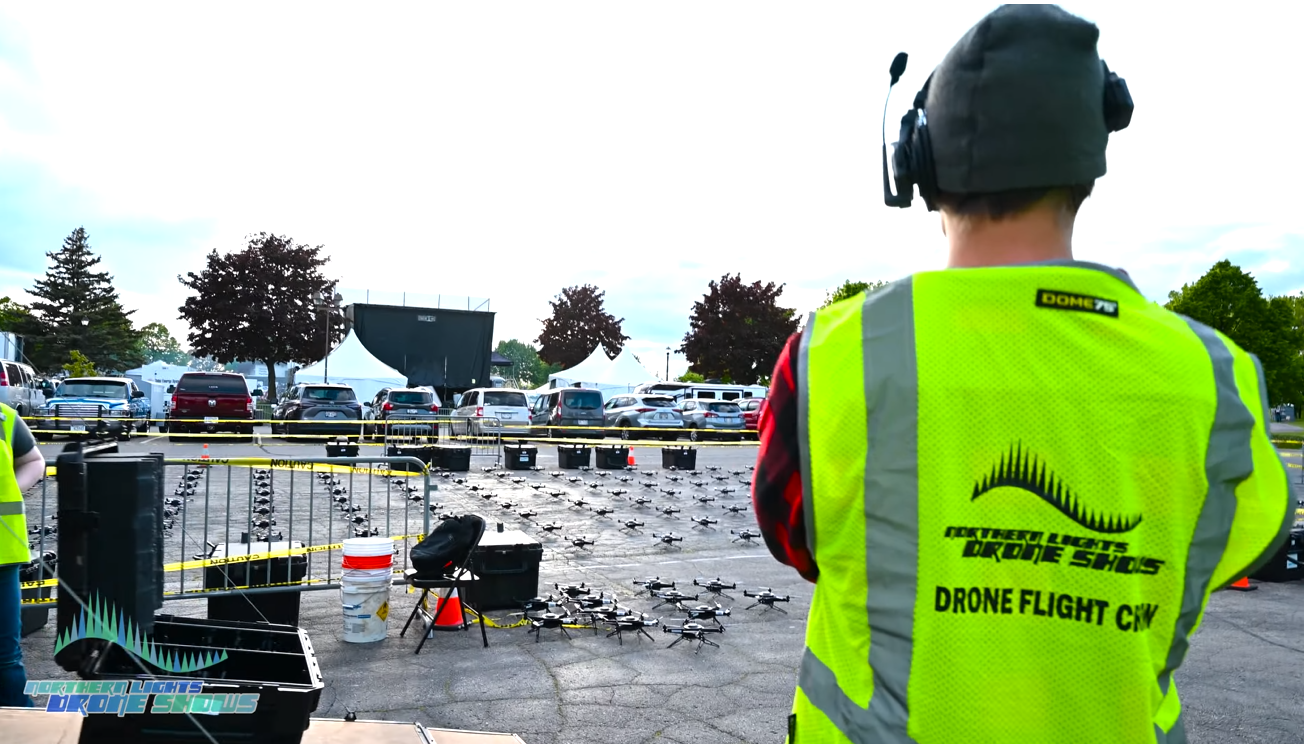
Drone show safety is the question behind every successful aerial performance, whether you are planning a city celebration, a sports event, a corporate launch, or a private gathering. People want to know how safe are drone light shows before they commit to the experience, and they should. If you are more interested in learning about the drone show itself, click here. A professionally operated drone show is built around airspace planning, hardware safeguards, weather monitoring, site controls, and regulatory coordination long before the first drone lifts off. When those pieces are handled correctly, safety is not an add-on to the show. It is the structure that makes the show possible.
Why safety is the real foundation of a drone show
The public usually sees the finished result: synchronized lights, smooth formations, and precise timing. What they do not see is that every design decision is shaped by operational safety from the beginning. Flight paths, launch spacing, altitude limits, audience standoff distances, emergency procedures, and local airspace restrictions all affect what a show can and cannot do. If you’d like to learn more about how we ensure our shows are compliant with FAA standards, click here.
That is why experienced teams treat safety planning as both a technical and creative process. As Arin, a Drone Show Designer, explains, "We get the safety map from the FAA and we have to figure it out. It's always like solving like puzzle, like 'Okay what's the best way to deal with the space and the time I have, and how can I make sure that it all fits where I'm using that to its fullest potential?'" In practice, that means the best drone shows are not designed first and made safe later. They are designed within safe operating limits from the start.
For event organizers, this matters because safety affects everything from venue selection to permitting timelines. It also determines whether a show can move from concept to approval without costly delays.
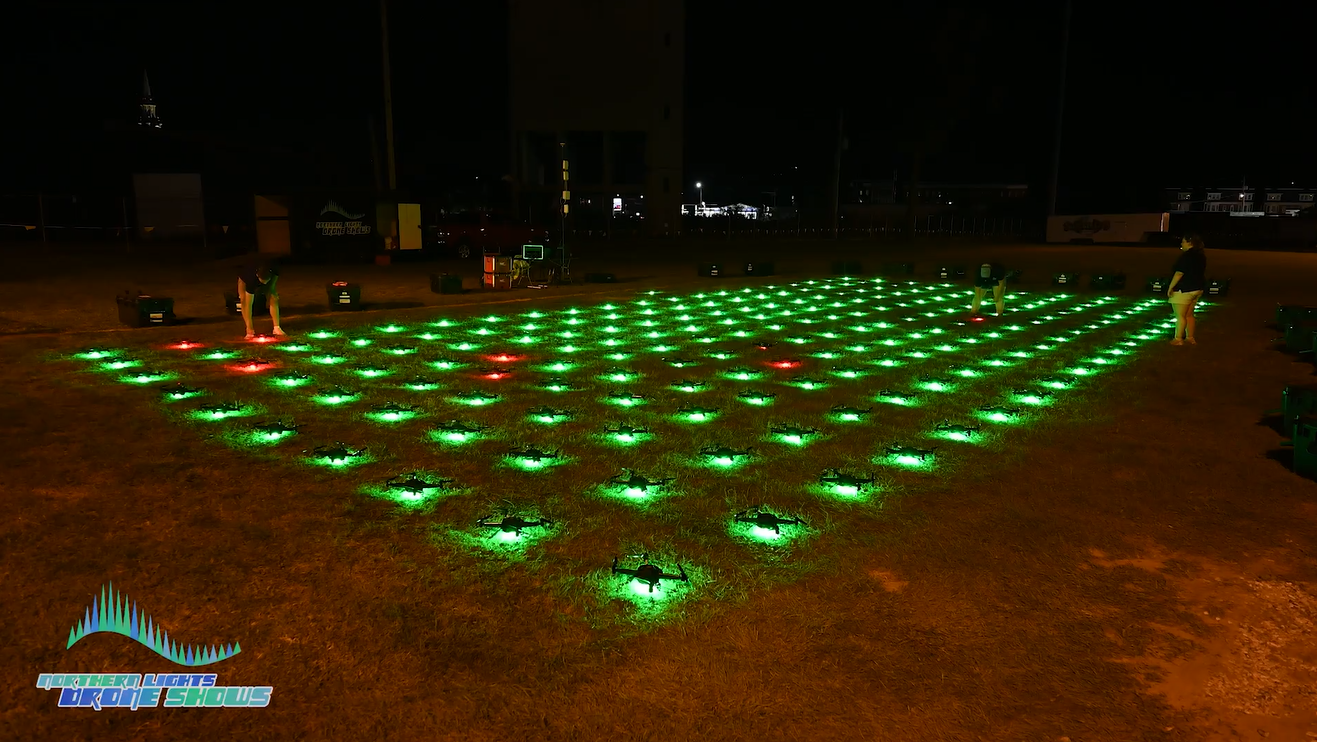
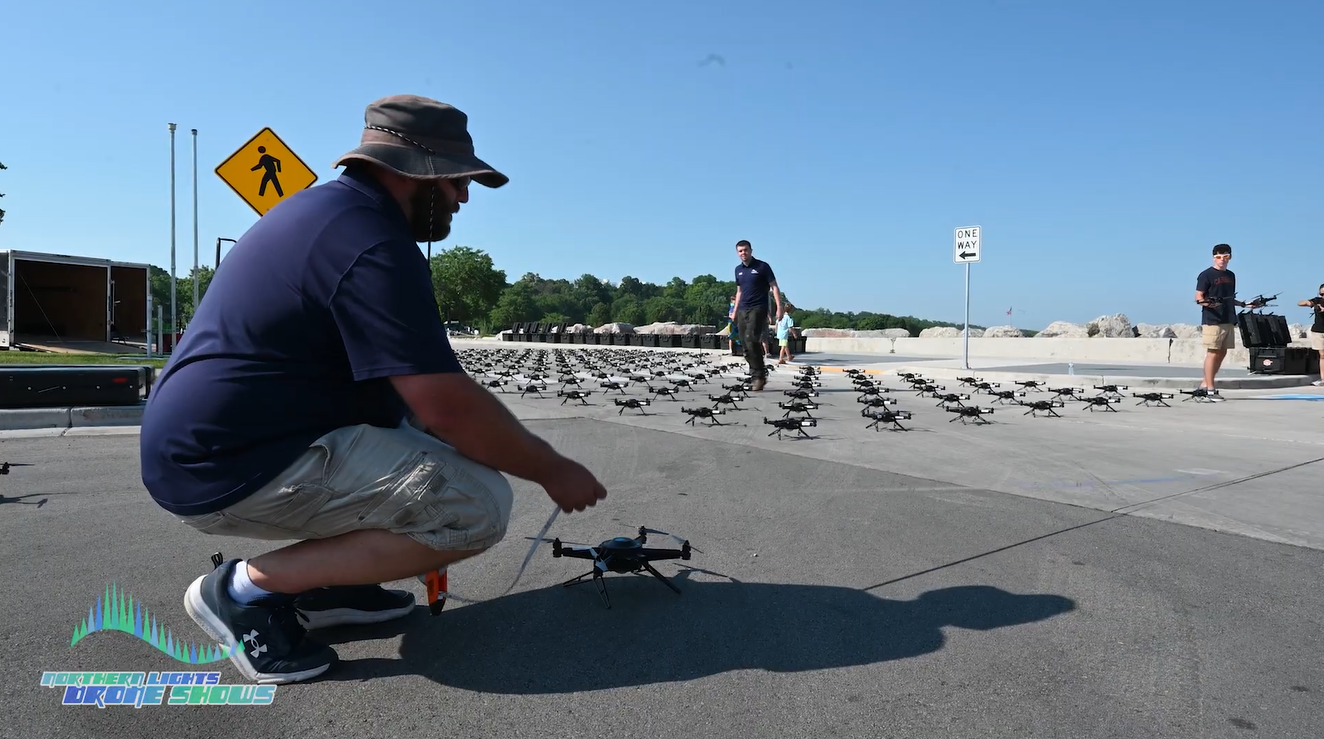
How safe are drone light shows when they are professionally operated?
Professionally operated drone light shows are designed to be highly controlled aviation events. They are not improvised flights, and they are not run the way hobby drone flights are run. A reputable provider uses trained pilots, specialized software, pre-programmed choreography, layered safety protocols, and structured contingency plans.
The answer to how safe are drone light shows depends almost entirely on who is operating them and how disciplined their process is. Safety comes from systems, not assumptions. Those systems typically include:
- FAA compliance and airspace review
- Pre-flight testing and maintenance checks
- Geofenced flight parameters
- Controlled launch and recovery zones
- Weather monitoring before and during the event
- Pilot and crew communication protocols
- Emergency abort procedures
- Site-specific audience separation plans
This is also where experience matters. Northern Lights Drone Show has become the go-to custom drone light show company for audiences all over the United States. NLDS can design, create, and pilot drone shows for anyone from private groups to corporations, sports teams to local governments, and more. That breadth of work matters because every venue introduces different constraints, and safety depends on adapting correctly to each one. If you’d like to know more about our commitment to safety, read our article here.
Preventing crashes starts with design, not reaction
One of the most common questions people ask is how do drone shows prevent crashes. The short answer is that crash prevention is built into every layer of planning, equipment setup, and show execution.
The choreography itself is carefully engineered so drones maintain proper spacing and predictable movement. Designers do not just create visually impressive formations. They create formations that can be executed reliably within defined speed, distance, and altitude parameters. Taylor, an NLDS Drone Show Designer, describes that mindset clearly: "...it's just being a little bit extra careful with the velocity of things as well and just making sure the actual designs themselves are cleaned up so that there's no room for issues."
That caution affects more than the animation. It shapes how transitions are timed, how quickly formations change, and how much margin is built into the flight plan. The objective is not just to make the drones move beautifully. It is to make them move with consistency and control.
Operationally, crash prevention also depends on disciplined procedures:
Pre-flight checks and hardware readiness
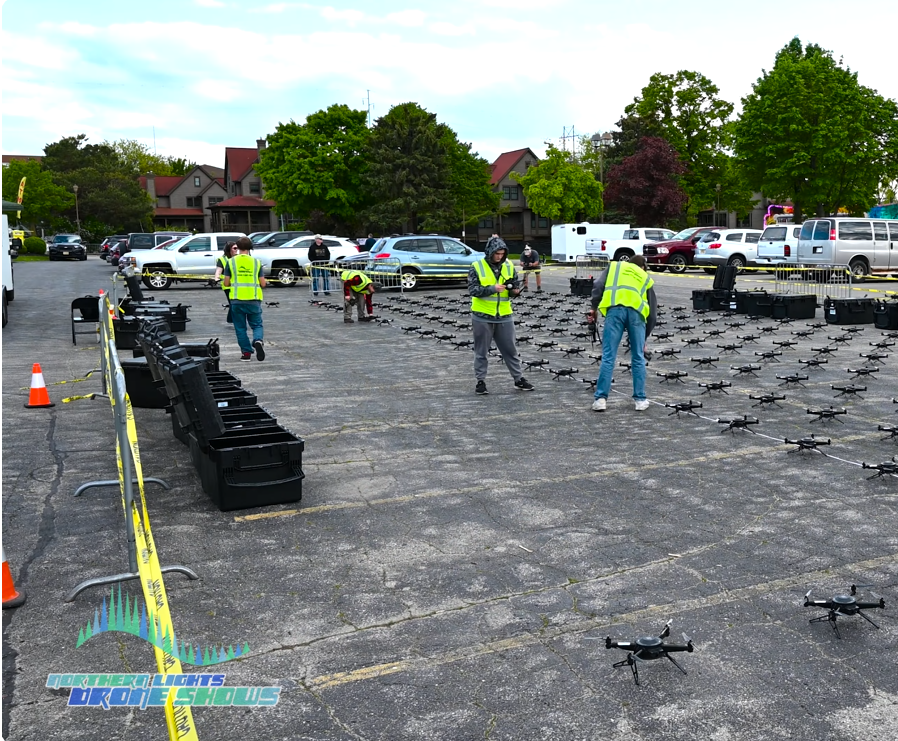
Before a show, crews inspect drones, batteries, firmware, GPS health, communications systems, and launch hardware. A drone fleet is only as safe as its preparation. If any unit does not meet performance standards, it should not fly.
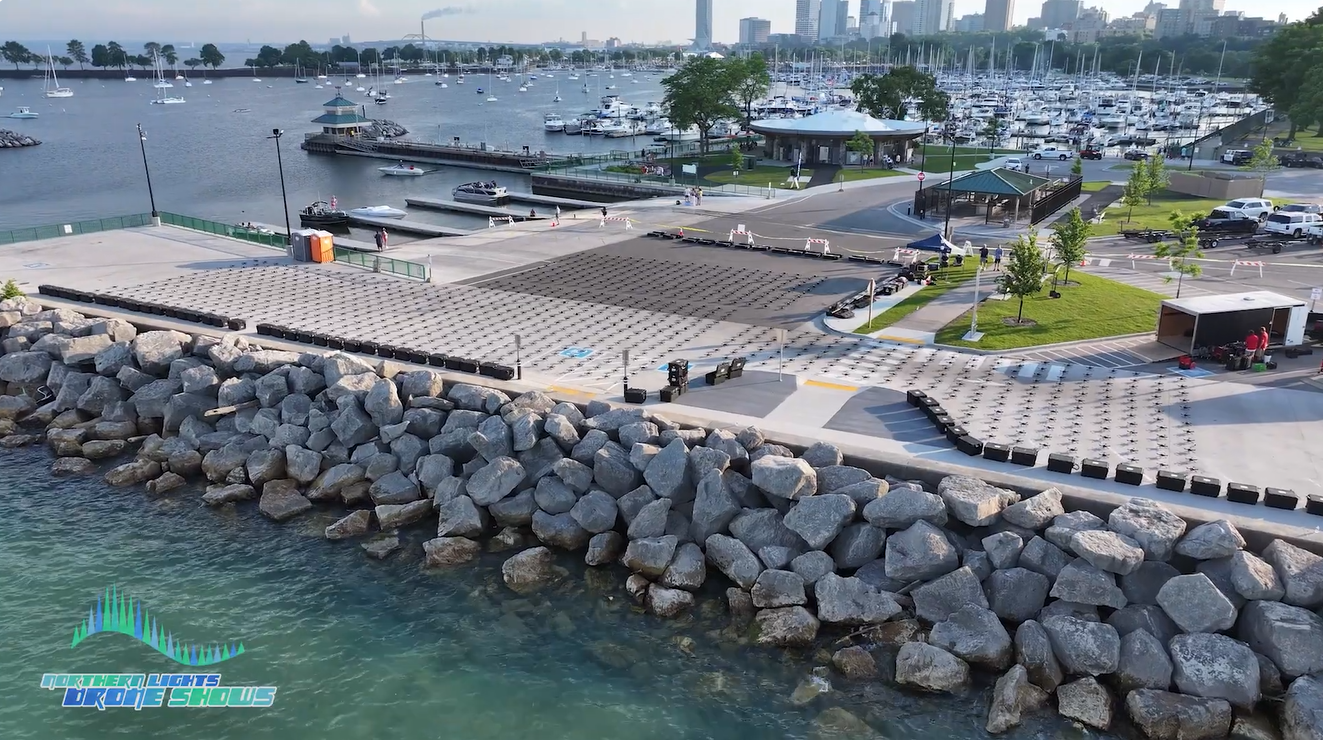
Programmed flight controls
Drone shows use pre-planned flight paths and software-based controls to reduce unpredictability. Rather than relying on improvised flight inputs, the team executes a tested sequence within known boundaries.
Flight separation and geospatial planning
Safe spacing between drones is fundamental. Distances are calculated so drones can complete formations and transitions without conflict. This is one reason experienced designers and operators are so valuable. They know how to translate a visual concept into a safe physical performance.
Redundancy and contingency procedures
Professional teams also plan for what happens if conditions change. That includes pausing operations, delaying launch, or aborting a show if safety thresholds are not met. A responsible company is willing to make a conservative call when the environment requires it.
Airspace, FAA coordination, and why location changes everything
No conversation about drone show safety is complete without understanding airspace. A venue may look open and ideal from the ground while presenting significant limitations from an aviation standpoint. Nearby airports, heliports, emergency flight paths, temporary flight restrictions, and controlled zones all affect what approvals are needed and what kind of show can be flown.
Nathan, NLDS Account Executive, explains it this way: "...anytime you're in restricted airspace or flying near an airport, you know, helicopter flight path for emergencies medical situations, that sort of a thing... those would be areas of controlled airspace... where we're filing with the FAA and they're looping us in with local air traffic controllers..."
This is one of the clearest differences between a casual drone operator and a professional drone show company. Safe operators are not just looking at the event field. They are evaluating the entire airspace environment around it. That includes flight ceilings, approach patterns, surrounding obstacles, and local coordination requirements.
For event planners, this means the venue decision should happen with drone feasibility in mind. A site that seems convenient for guests may create major airspace complications. A company with real operational experience can identify those issues early and help shape a workable plan.
Weather requirements for drone light shows are stricter than most people expect
Weather is another major factor in drone show safety, and weather requirements for drone light shows are not flexible just because an event date is fixed. Wind, rain, lightning risk, visibility, temperature, and localized conditions all influence whether a show can proceed safely.
This is where many people underestimate the discipline involved. A professional drone show company does not simply check the forecast in the morning and hope for the best. It monitors conditions leading up to the show, evaluates site-specific microclimates, and sets operating thresholds in advance.
The most important weather-related considerations usually include:
- Wind speed and gust behavior
- Rain or precipitation risk
- Lightning in the area
- Visibility conditions
- Temperature impacts on batteries and equipment
- Ground conditions in the launch area
The key point is that weather is not a small operational note. It is one of the primary go or no-go factors. If a company cannot explain its weather standards clearly, that is a warning sign.
Launch site requirements for drone shows shape both safety and performance
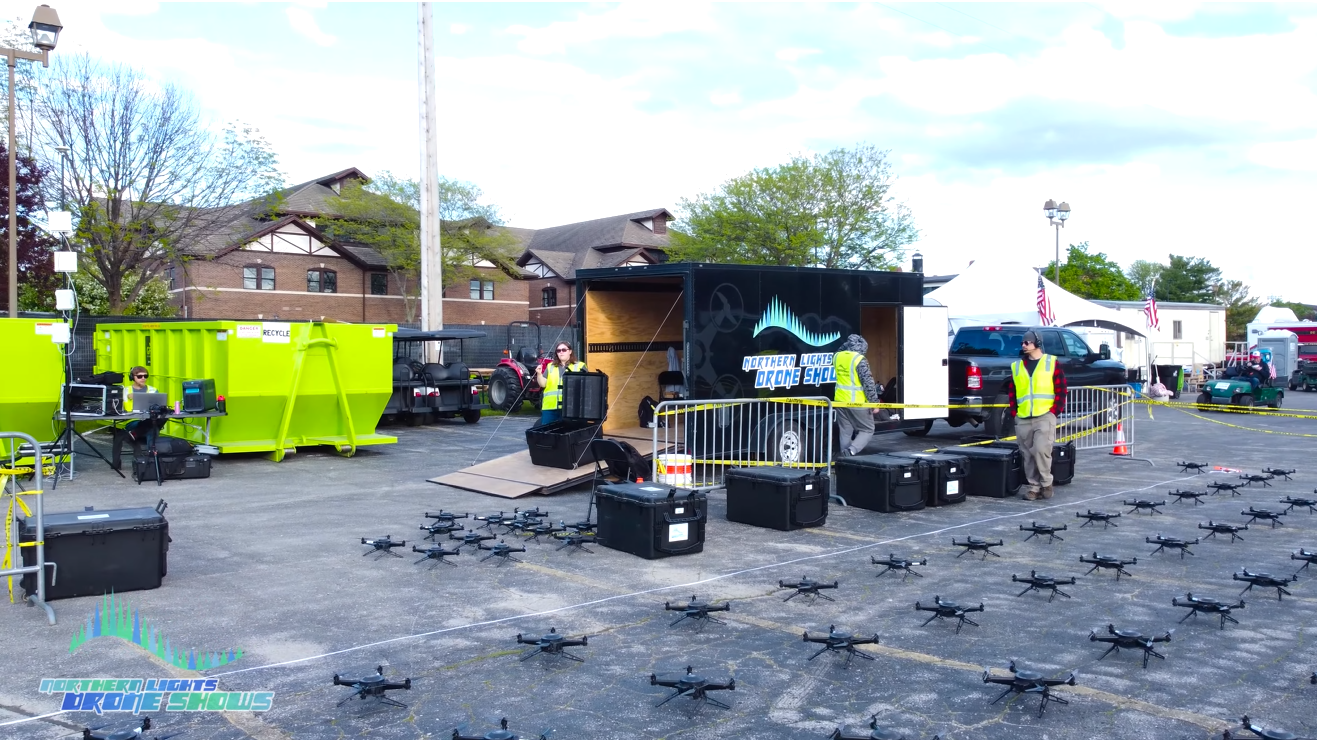
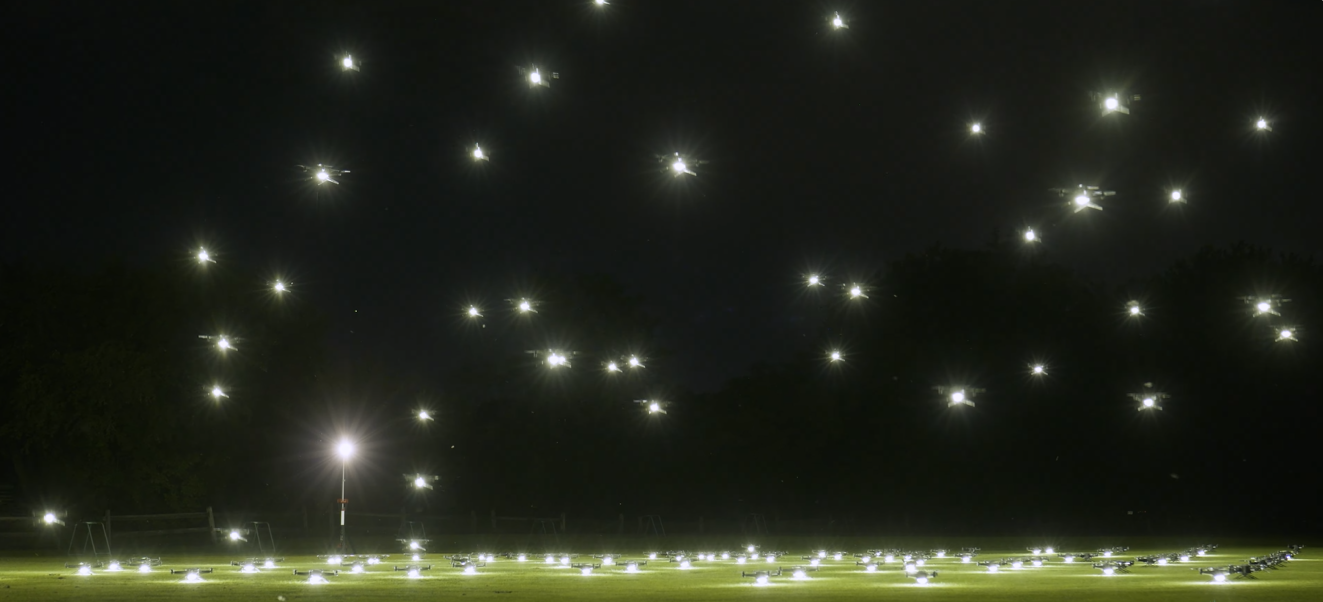
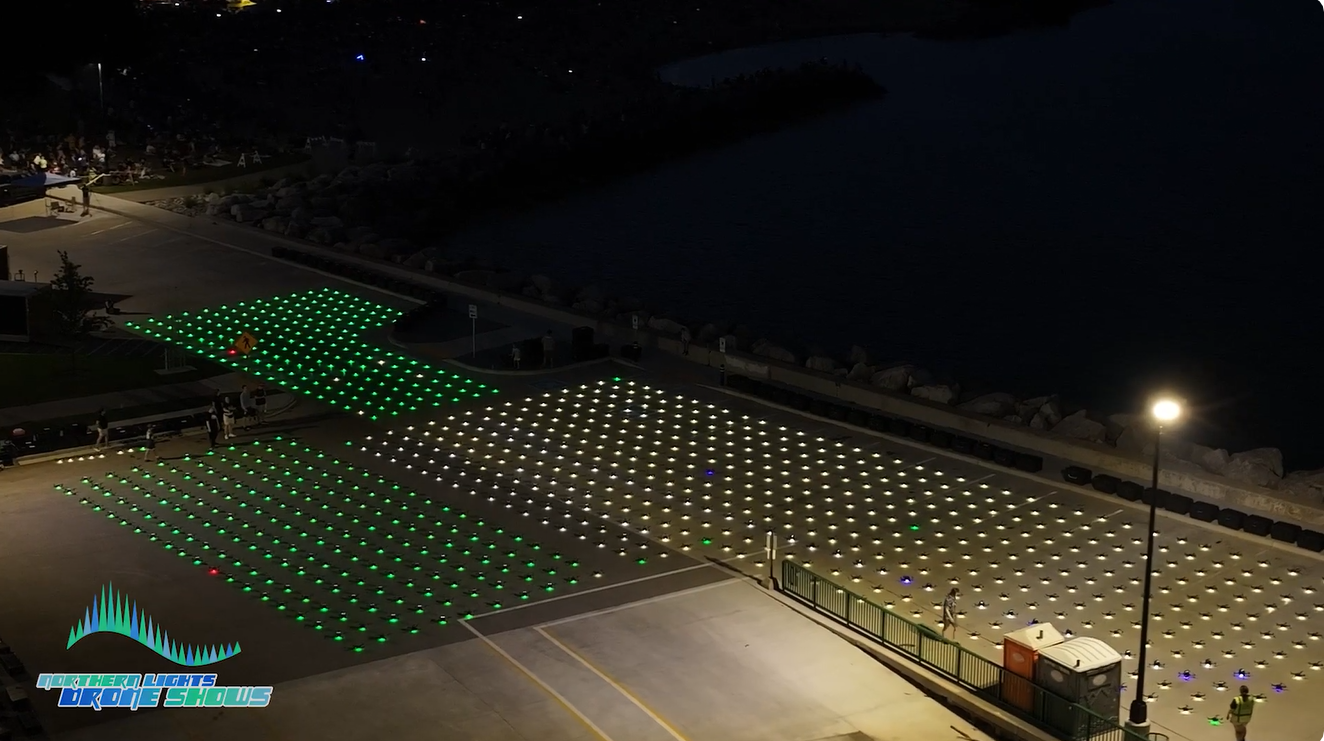
Launch site requirements for drone shows are another area where safety planning becomes practical and visible. The drones need a controlled area for setup, launch, and recovery, but the site also has to support safe separation from spectators, crew movement, equipment access, and emergency procedures.
A proper launch site is evaluated for:
- Ground stability and surface conditions
- Clear perimeter control
- Adequate distance from audience areas
- Obstacle clearance, including trees, buildings, and utility lines
- Vehicle and equipment access
- Safe setup and recovery workflow
- Compatibility with approved flight paths
This affects what kind of show can be flown and how efficiently it can be executed. In some cases, the audience-facing part of a venue works well while the behind-the-scenes launch area does not. In other cases, a nearby alternative launch position can preserve the guest experience while improving the operational safety margin.
That is why launch planning should happen early, not as a final logistical detail.
A practical example of how safety planning works in the real world
Custom drone shows can be set up in any kind of environment, and if you’d like the know what limits a truly custom drone show is under with NLDS, click here. Now consider a drone show planned near a busy municipal area with attractive viewing access but complex airspace considerations. The event site appears ideal because it offers open sightlines and large audience capacity. On closer review, the venue sits within a corridor affected by nearby airport operations and emergency helicopter routing.
At that point, the job is not simply to ask whether the show can happen. The job is to redesign the plan around the actual airspace and physical site constraints. The safety map from the FAA becomes central to the layout. Flight altitudes may need adjustment. The launch footprint may need to move. Audience placement may be refined to preserve the viewing angle while maintaining safe separation. Coordination may be required not only with the FAA but with local air traffic controllers.
That process reflects what Arin described as solving a puzzle. The puzzle is not just visual. It is operational. The final show only works because the design team, pilots, and planners shape the creative concept to fit the safe, permitted space available.
This is also where experienced providers distinguish themselves. They know that saying yes to a show is not enough. They have to know how to make yes workable within the rules and within the physical realities of the site.
Do drone show companies carry insurance, and why does it matter?
Another common question is do drone show companies carry insurance. Reputable drone show companies typically do carry insurance, and event organizers should treat that as a baseline requirement, not a bonus.
Insurance matters because drone shows are professional aviation operations that involve equipment, crew, public attendance, and venue coordination. Proper coverage supports responsible risk management and gives organizers confidence that the operator understands the seriousness of the work.
When evaluating a provider, ask about:
- General liability coverage
- Aviation-related coverage where applicable
- Certificates of insurance
- Additional insured options for venues or partners
- How insurance fits into their broader safety process
Insurance is important, but it is not a substitute for safe operations. It should sit alongside permitting, crew training, airspace compliance, site planning, and weather protocols as part of a complete professional standard.
What to look for if safety is a priority
If you are comparing providers, safety should be visible in how they communicate, not hidden behind vague reassurance. A trustworthy company should be able to explain its process in plain language and answer specific questions without deflecting.
Look for a team that can clearly discuss:
- FAA authorization and airspace review
- Site assessment and launch area planning
- Weather thresholds and postponement criteria
- Choreography standards that support safe flight
- Pilot oversight and operational procedures
- Insurance documentation
- Contingency and abort protocols
The companies that take safety seriously usually speak about it with detail and consistency. They do not treat it as a marketing line. They treat it as the framework for the event.
Frequently Asked Questions
-
Drone light shows can be a very safe alternative when operated by a professional company with proper planning, FAA coordination, weather standards, and site controls. Unlike fireworks, drone shows do not involve explosive materials, but they are still aviation operations and require disciplined safety management.
-
They prevent crashes through layered planning: tested choreography, drone spacing, speed controls, pre-flight inspections, software-based flight paths, launch site controls, and clear abort procedures if conditions are not safe.
-
Weather requirements for drone light shows typically include acceptable wind conditions, no unsafe precipitation, no lightning threat, sufficient visibility, and temperatures that support safe equipment performance. Exact thresholds depend on the operator, location, and equipment.
-
Professional drone show companies generally carry insurance, and clients should ask for proof of coverage. Insurance should be part of a broader safety and compliance process, not the only sign of professionalism.
-
Launch site requirements for drone shows include stable ground, a controlled perimeter, safe distance from audiences, obstacle clearance, crew access, and a layout that supports approved flight paths and recovery procedures.
-
Sometimes, but it depends on the location and approvals required. In controlled or restricted airspace, the operator must coordinate with the FAA and, in some cases, local air traffic control. Feasibility should be evaluated early.
-
Professional drone show providers should manage this process directly. Our head pilot coordinates the flight clearances required by the FAA and handles flight restrictions and complex airspace approvals, helping clients move forward without needing to manage those technical details themselves.
The safest drone show is the one planned by people who know what to ask first
Drone show safety is not one feature among many. It is the discipline that determines whether the event can be approved, designed, launched, and completed successfully. The visible beauty of a drone show depends on decisions most audiences never see: airspace review, launch site planning, weather thresholds, conservative design choices, and a team willing to prioritize control over shortcuts.
If you are evaluating a drone show for your event and want clear answers about airspace, site feasibility, weather, insurance, or operational planning, contact Northern Lights Drone Show to talk through the specifics of your venue and timeline.